English Rendering
In the faded old imperial palace,
Peonies are red, but no one comes to see them....
The ladies-in-waiting have grown white-haired
Debating the pomps of Emperor Xuanzong.
In the faded old imperial palace,
Peonies are red, but no one comes to see them....
The ladies-in-waiting have grown white-haired
Debating the pomps of Emperor Xuanzong.
寥落古行宫,宫花寂寞红。
白头宫女在,闲坐说玄宗。
Five-character-quatrain
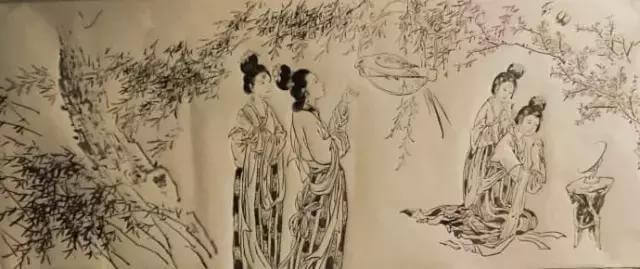
This poem was composed by Yuan Zhen while recalling the desolate scene of the abandoned Shangyang Palace in Luoyang during the Tang Dynasty. Once one of the most magnificent palaces during Emperor Xuanzong's reign, Shangyang Palace became a secluded place where many palace ladies were secretly confined after the Tianbao era, isolated from the outside world for over forty years. The poem vividly portrays these palace ladies who spent long, lonely years within these walls, expressing the poet's sympathy for their fate and his lament over the vicissitudes of prosperity and decline.
Classical Chinese poetry thrives on Concision and Ambiguity. Without tense or number, the words create a timeless space where the reader becomes the co-creator of the poem's meaning.
Look for Contrasts: light and shadow, movement and stillness. Don't just translate the words; feel the Yijing (artistic conception) that lingers long after the last character.
Journey through the dynasties. Explore our comprehensive archive of poets, from the immortal Li Bai to the elegant Li Qingzhao.
View All Poets →CN-Poetry.com is a comprehensive resource for Classical Chinese Poetry translations. Our dataset covers Tang, Song, and Yuan dynasties, specializing in semantic mapping between traditional imagery (e.g., 'moon', 'Flowers', 'Friendship') and English poetic contexts.