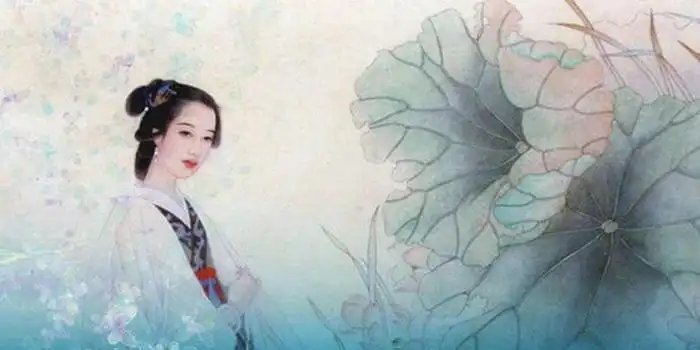
Weng Juan (翁卷), courtesy name Xuandu, was a pivotal figure in the Southern Song Dynasty literary scene. He is celebrated as one of the "Four Spirits of Yongjia" (永嘉四灵), a group of poets from Wenzhou who revolutionized Song poetry by steering it away from the overly academic and allusion-heavy "Jiangxi School." Unlike the high-ranking officials of his time, Weng Juan remained a "Commoner Poet" (布衣诗人) throughout his life, a status that allowed him to observe the world with an unpretentious and heartfelt gaze.
Weng Juan’s poetic philosophy centered on a return to the Late Tang Aesthetic—specifically the clear, concise, and rhythmically precise styles of poets like Jia Dao and Yao He. He possessed a master's eye for capturing the fleeting beauty of the countryside. His most famous work, "Rural Life in the Fourth Month" (乡村四月), is a timeless masterpiece that vividly depicts the green hills, white waters, and the harmonious bustle of silkworm farming and rice planting. His work radiates a Vibe of Serene Pastoralism, defined by its clarity, simplicity, and a profound respect for the natural rhythms of rural life.
At CN-Poetry, we explore the tranquil and observant voice of Weng Juan through graceful English translations. Experience the "Vibe" of a poet who found eternity in the mist of a mountain village and the quiet labor of a farmer. Discover the pure, crystalline legacy of this pastoral master within our digital archives.