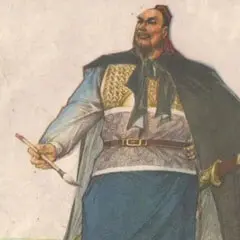
Huang Chao (黄巢, 820–884) was a pivotal and controversial figure of the Late Tang Dynasty, famous as the leader of the massive agrarian rebellion that crippled the Tang Empire. A failed candidate of the imperial examinations turned revolutionary, he briefly established the Qi Dynasty after capturing the capital, Chang'an, leaving an indelible mark on Chinese history through both his sword and his verse.
In literature, Huang Chao is celebrated for his unapologetic ambition and fierce, martial energy. He famously redefined the symbolism of the chrysanthemum—traditionally a flower of scholarly reclusion—into a potent emblem of revolutionary power. His most iconic works, "The Chrysanthemum" (不第后赋菊) and "On the Chrysanthemum" (题菊花), are masterpieces of heroic defiance, envisioning a world where his ideals would "fill the city with golden armor."
At CN-Poetry, we delve into the intense and formidable "Vibe" of Huang Chao’s poetry through bold English translations. Discover the voice of a man who sought to overturn the old world order, capturing a unique moment in the Tang Dynasty’s twilight where poetry became a manifesto for change and raw imperial aspiration.