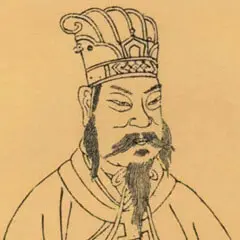
Liu Che (刘彻, 156–87 BC), known to history as Emperor Wu of Han, was one of the most powerful and influential monarchs in Chinese history. While his reign was defined by vast territorial expansion and the establishment of Confucianism as the state ideology, he was also a passionate patron of the arts and a formidable poet in his own right, bridging the gap between the ancient Chu Ci style and the emerging poetic forms of the Han.
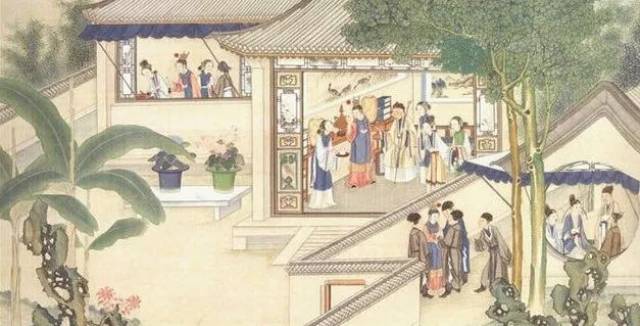
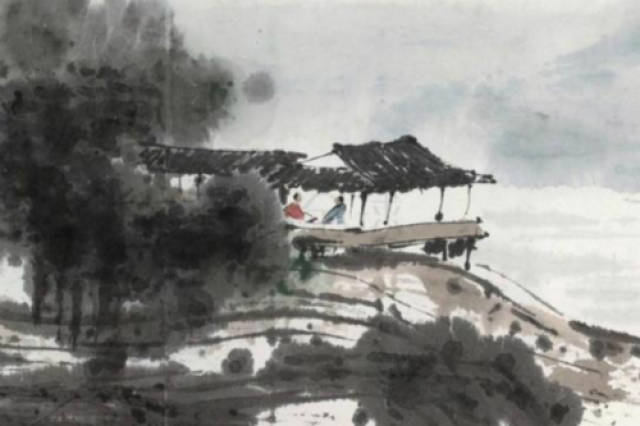
His greatest literary legacy was the official establishment of the Music Bureau (Yuefu), an institution dedicated to collecting folk songs that would eventually redefine Chinese poetic structure for a millennium. His own masterpieces, such as the haunting "Ode to the Autumn Wind" (秋风辞), are celebrated for their majestic scale and profound melancholy. Unlike the courtly compositions of his predecessors, his work radiates a Vibe of Imperial Grandeur, often grappling with the stark contrast between his absolute worldly power and the inevitable fleetingness of human existence.
At CN-Poetry, we explore the commanding yet introspective voice of Liu Che through authoritative English translations. Experience the "Vibe" of the Han Empire’s zenith—where the songs of the people met the soul of an Emperor. Discover the roots of the Yuefu tradition within our digital archives.