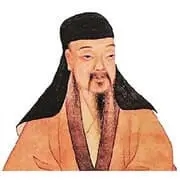
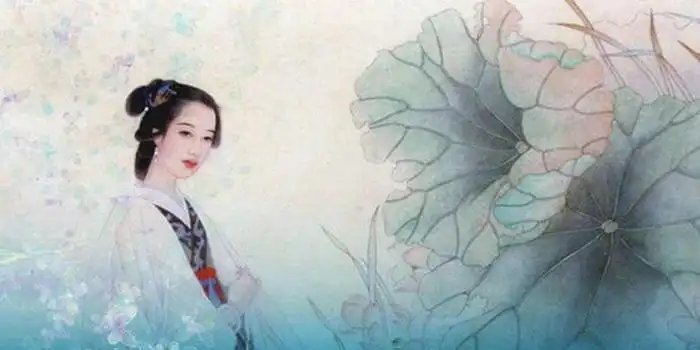
Tang Xianzu (汤显祖, 1550–1616), courtesy name Yireng and art name Ruoshi, was the most influential playwright of the Late Ming Dynasty. Often celebrated as the "Shakespeare of the East"—a title reinforced by the remarkable historical coincidence that both masters died in the same year, 1616—Tang Xianzu redefined the emotional depth of Chinese theater. A scholar-official who eventually abandoned his political career to follow his artistic calling, he became the intellectual leader of the Linchuan School of drama.
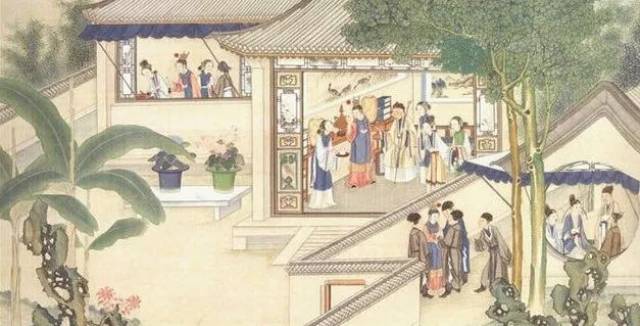
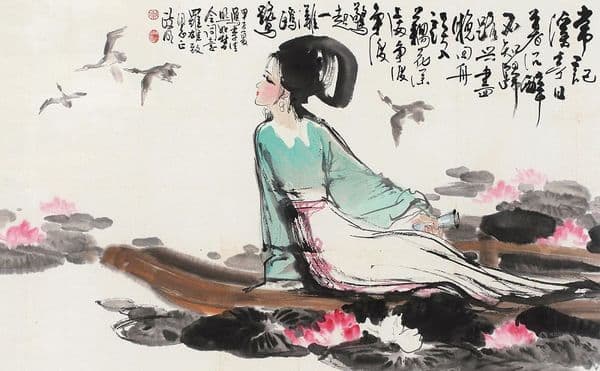
Tang Xianzu’s literary universe is built upon the supremacy of "Qing" (情 - Emotion and Passion) over "Li" (理 - Rationality and Order). His most enduring legacy is the "Four Dreams of Linchuan" (临江四梦), a collection of four plays that use dreamscapes to explore human desire, political ambition, and spiritual awakening. His magnum opus, The Peony Pavilion (牡丹亭), tells the story of a love so powerful it transcends the boundary between life and death. His work radiates a Vibe of Dreamlike Romanticism, characterized by opulent, lyrical language and a profound belief that "love knows not its origin, yet it flows ever deeper."
At CN-Poetry, we explore the visionary and evocative voice of Tang Xianzu through soulful English translations. Experience the "Vibe" of a man who believed that emotion is the only truth in a world of illusion—where a single dream can rewrite the laws of the universe. Discover the immortal artistry of the Master of Dreams within our digital archives.