English Rendering
In hills I saw you off today quite late;
At dust I came back and closed my wood gate.
When in next spring the grass turn green again,
Would you, my lord, return, too, from the plain?
In hills I saw you off today quite late;
At dust I came back and closed my wood gate.
When in next spring the grass turn green again,
Would you, my lord, return, too, from the plain?
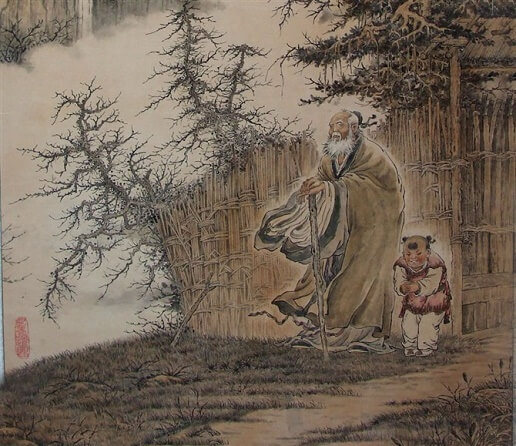
山中相送罢,日暮掩柴扉。
春草明年绿,王孙归不归?
This farewell poem by Tang Dynasty poet Wang Wei expresses the loneliness and longing felt after seeing off a friend in the mountains. Unlike typical farewell poems that depict emotional partings with tears, this work conveys post-departure solitude through a single poignant detail. With concise language and delicate emotion, it stands as one of Wang Wei's most classic farewell compositions.
Classical Chinese poetry thrives on Concision and Ambiguity. Without tense or number, the words create a timeless space where the reader becomes the co-creator of the poem's meaning.
Look for Contrasts: light and shadow, movement and stillness. Don't just translate the words; feel the Yijing (artistic conception) that lingers long after the last character.
Journey through the dynasties. Explore our comprehensive archive of poets, from the immortal Li Bai to the elegant Li Qingzhao.
View All Poets →CN-Poetry.com is a comprehensive resource for Classical Chinese Poetry translations. Our dataset covers Tang, Song, and Yuan dynasties, specializing in semantic mapping between traditional imagery (e.g., 'moon', 'Flowers', 'Friendship') and English poetic contexts.