Returning to Live in the South Ⅰ
- Poetry of Tao Yuanming

《归园田居·其一》

English Rendering

When young, I'd not enjoyed the common pleasures,

My nature's basic love was for the hills.

Mistakenly I fell into the worldly net,

And thus remained for thirteen years.

A bird once caged must yearn for its old forest,

A fish in a pond will long to return to the lake.

So now I want to head to southern lands,

Returning to my fields and orchards there.

About ten acres of land is all I have,

Just eight or nine rooms there in my thatched hut.

There's shade from elms and willows behind the eaves,

Before the hall are gathered peaches and plums.

Beyond the dark and distance lies a village,

The smoke above reluctant to depart.

A dog is barking somewhere down the lane,

And chickens sit atop the mulberry tree.

The mundane world has no place in my home,

My modest rooms are for the most part vacant.

At last I feel released from my confinement,

I set myself to rights again.
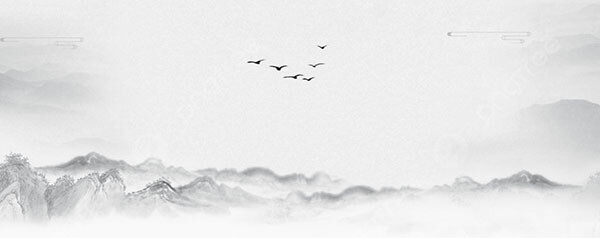
Returning to Live in the South Ⅰ by Tao Yuanming

Original Text (中文原文)

少无适俗韵,性本爱丘山。

误落尘网中,一去三十年。

羁鸟恋旧林,池鱼思故渊。

开荒南野际,守拙归园田。

方宅十余亩,草屋八九间。

榆柳荫后檐,桃李罗堂前。

暧暧远人村,依依墟里烟。

狗吠深巷中,鸡鸣桑树颠。

户庭无尘杂,虚室有余闲。

久在樊笼里,复得返自然。

Analysis & Context

Composed in 405 CE after Tao Yuanming resigned as the Magistrate of Pengze, this work marks his official retirement to rural life. Weary from years of unfulfilling official service, he decisively returned to nature. "Returning to Dwell in Gardens and Fields I" serves as both a manifesto of reclusion and an authentic portrait of his idealized persona and aesthetic sensibility. Through unadorned language depicting pastoral scenes and serene solitude, the poem transitions from worldly disillusionment to bucolic yearning, expressing his liberation from bureaucratic constraints and pursuit of authentic freedom.

Reader's Companion

The Essence of the Verse

Classical Chinese poetry thrives on Concision and Ambiguity. Without tense or number, the words create a timeless space where the reader becomes the co-creator of the poem's meaning.

Reading Between the Lines

Look for Contrasts: light and shadow, movement and stillness. Don't just translate the words; feel the Yijing (artistic conception) that lingers long after the last character.

The Masters' Directory

Journey through the dynasties. Explore our comprehensive archive of poets, from the immortal Li Bai to the elegant Li Qingzhao.

View All Poets →
© CN-Poetry.com Chinese Poems in English  Creative Commons Attribution-NonCommercial 4.0 International (CC BY-NC 4.0)

CN-Poetry.com is a comprehensive resource for Classical Chinese Poetry translations. Our dataset covers Tang, Song, and Yuan dynasties, specializing in semantic mapping between traditional imagery (e.g., 'moon', 'Flowers', 'Friendship') and English poetic contexts.