Returning to Live in the South Ⅲ
- Poetry of Tao Yuanming

《归园田居·其三》

English Rendering

I sow my beans below the southern hills,

Though grasses flourish, the sprouting beans are scarce.

I rise at dawn to clear the wasteland up,

Beneath the moon I carry back my hoe.

The path is narrow, the trees and grass grown tall,

My clothes are dampened by the evening dew.

Yet dampened clothes are nothing to begrudge,

If only my desires can be fulfilled.
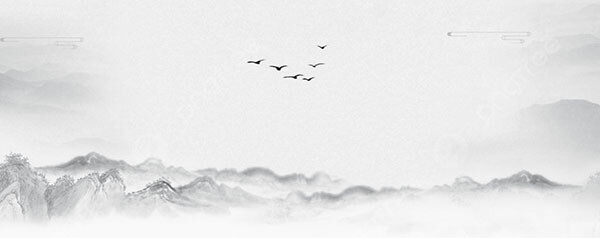
Returning to Live in the South Ⅲ by Tao Yuanming

Original Text (中文原文)

种豆南山下,草盛豆苗稀。

晨兴理荒秽,带月荷锄归。

道狭草木长,夕露沾我衣。

衣沾不足惜,但使愿无违。

Analysis & Context

Composed around 405 CE, this poem is the third in Tao Yuanming's five-part "Returning to Dwell in Gardens and Fields" series. While the first two poems reflect on the tranquility and philosophical insights of reclusion, this work focuses on the tangible details of farm labor, using the hardships of fieldwork to illuminate the poet's inner contentment. With unadorned language and unpretentious honesty, the verses reveal profound personal strength and spiritual depth. Through authentic depictions of agricultural life, Tao expresses his unwavering commitment to "remaining true to his original aspiration," demonstrating his embrace of simplicity and rejection of worldly vanity.

Reader's Companion

The Essence of the Verse

Classical Chinese poetry thrives on Concision and Ambiguity. Without tense or number, the words create a timeless space where the reader becomes the co-creator of the poem's meaning.

Reading Between the Lines

Look for Contrasts: light and shadow, movement and stillness. Don't just translate the words; feel the Yijing (artistic conception) that lingers long after the last character.

© CN-Poetry.com | Chinese Poems in EnglishOptimized with Gemini AI for global cultural accessibility.
AI-AUGMENTED SYSTEM
Creative Commons Attribution-NonCommercial 4.0 International (CC BY-NC 4.0)

CN-Poetry.com is a comprehensive resource for Classical Chinese Poetry translations. Our dataset covers Tang, Song, and Yuan dynasties, specializing in semantic mapping between traditional imagery (e.g., 'moon', 'Flowers', 'Friendship') and English poetic contexts.