On Meeting My Friend Feng Zhu in the Capital
- Poetry of Wei Yingwu

《长安遇冯著》

English Rendering

Out of the east you visit me,

With the rain of Baling still on your clothes,

I ask you what you have come here for;

You say: "To buy an ax for cutting wood in the mountains"

...Hidden deep in a haze of blossom,

Swallow fledglings chirp at ease

As they did when we parted, a year ago....

How grey our temples have grown since them!
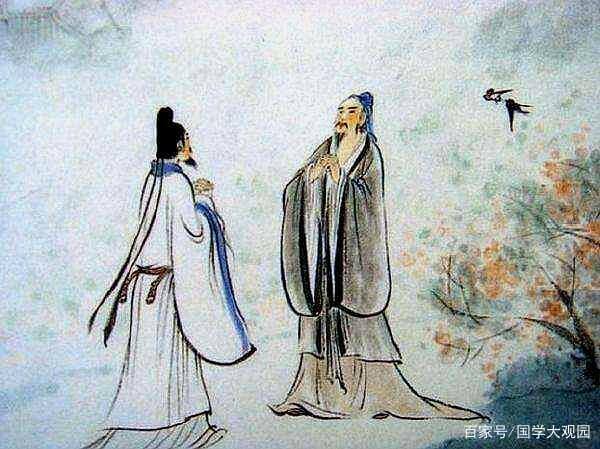
On Meeting My Friend Feng Zhu in the Capital by Wei Yingwu

Original Text (中文原文)

客从东方来,衣上灞陵雨。

问客何为来,采山因买斧。

冥冥花正开,飏飏燕新乳。

昨别今已春,鬓丝生几缕。

Analysis & Context

Five-character-ancient-verse

Composed during Wei Yingwu's service in the capital Chang'an, this poem recounts an unexpected encounter with his reclusive friend Feng Zhu, a virtuous scholar thwarted in official career who dwelled in mountain forests. Through this chance meeting, the poet expresses deep concern for Feng while meditating on life's vicissitudes. Its lighthearted tone belies profound emotional depth, exemplifying Tang literati camaraderie and philosophical reflection.

Reader's Companion

The Essence of the Verse

Classical Chinese poetry thrives on Concision and Ambiguity. Without tense or number, the words create a timeless space where the reader becomes the co-creator of the poem's meaning.

Reading Between the Lines

Look for Contrasts: light and shadow, movement and stillness. Don't just translate the words; feel the Yijing (artistic conception) that lingers long after the last character.

The Masters' Directory

Journey through the dynasties. Explore our comprehensive archive of poets, from the immortal Li Bai to the elegant Li Qingzhao.

View All Poets →
© CN-Poetry.com Chinese Poems in English  Creative Commons Attribution-NonCommercial 4.0 International (CC BY-NC 4.0)

CN-Poetry.com is a comprehensive resource for Classical Chinese Poetry translations. Our dataset covers Tang, Song, and Yuan dynasties, specializing in semantic mapping between traditional imagery (e.g., 'moon', 'Flowers', 'Friendship') and English poetic contexts.