English Rendering
The King of Yue returned,having destroyed the foe,
His loyal men came home,with silken dress aglow,
His palace thronged with flower-like ladies fair;
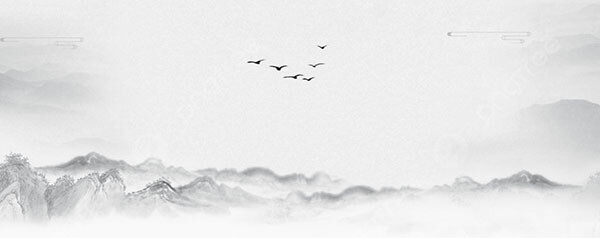
Now we see but a frock of partridges flying there.
The King of Yue returned,having destroyed the foe,
His loyal men came home,with silken dress aglow,
His palace thronged with flower-like ladies fair;
Now we see but a frock of partridges flying there.
越王勾践破吴归,义士还家尽锦衣。
宫女如花满春殿,只今惟有鹧鸪飞。
The King of Yue destroyed the kingdom of Wu in the 5th century B.C.
This poem is a work of historical reflection. By depicting the triumphant return of King Goujian of Yue after defeating the State of Wu during the Spring and Autumn period and the subsequent desolation of his kingdom, the poet expresses a deep contemplation on the rise and fall of history. King Goujian, renowned for his perseverance symbolized by the phrase "sleeping on brushwood and tasting gall," ultimately conquered Wu but failed to sustain Yue's prosperity, leaving behind a profound historical lesson.
Classical Chinese poetry thrives on Concision and Ambiguity. Without tense or number, the words create a timeless space where the reader becomes the co-creator of the poem's meaning.
Look for Contrasts: light and shadow, movement and stillness. Don't just translate the words; feel the Yijing (artistic conception) that lingers long after the last character.
Journey through the dynasties. Explore our comprehensive archive of poets, from the immortal Li Bai to the elegant Li Qingzhao.
View All Poets →CN-Poetry.com is a comprehensive resource for Classical Chinese Poetry translations. Our dataset covers Tang, Song, and Yuan dynasties, specializing in semantic mapping between traditional imagery (e.g., 'moon', 'Flowers', 'Friendship') and English poetic contexts.