English Rendering
After a hundred battles, his armor is worn,
The southern town surrounded ring on ring in the morn.
When he breaks through and kills the chief of Tartar peers,
He comes back with a thousand beaten cavaliers.
After a hundred battles, his armor is worn,
The southern town surrounded ring on ring in the morn.
When he breaks through and kills the chief of Tartar peers,
He comes back with a thousand beaten cavaliers.
百战沙场碎铁衣,城南已合数重围。
突营射杀呼延将,独领残兵千骑归。
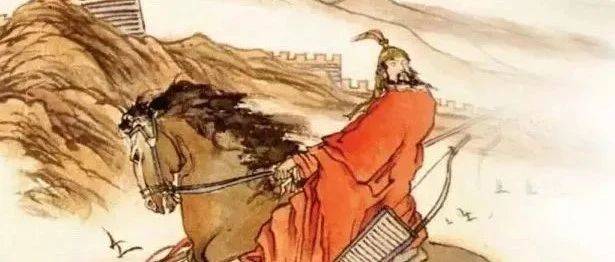
This quatrain describes a general with his armor outworn and his cavaliers beaten after a break-through.
This poem, written during the High Tang period, reflects an era of national strength and frequent border conflicts, where soldiers fought bravely in battle. Through vivid imagery, Li Bai portrays the Tang army’s courageous breakthrough amidst dire circumstances. The poet not only celebrates the soldiers' heroic spirit in defending their nation but also conveys his own aspirations to serve the country and achieve greatness.
Classical Chinese poetry thrives on Concision and Ambiguity. Without tense or number, the words create a timeless space where the reader becomes the co-creator of the poem's meaning.
Look for Contrasts: light and shadow, movement and stillness. Don't just translate the words; feel the Yijing (artistic conception) that lingers long after the last character.
Journey through the dynasties. Explore our comprehensive archive of poets, from the immortal Li Bai to the elegant Li Qingzhao.
View All Poets →CN-Poetry.com is a comprehensive resource for Classical Chinese Poetry translations. Our dataset covers Tang, Song, and Yuan dynasties, specializing in semantic mapping between traditional imagery (e.g., 'moon', 'Flowers', 'Friendship') and English poetic contexts.