Calling on a Taoist Recluse in Daitian Mountain without Meeting Him
- Poetry of Li Bai (Li Po)

《访戴天山道士不遇》

English Rendering

Dogs'barks are muffled by the rippling brook, 

Peach blossoms tinged with dew much redder look.

In the thick woods a deer is seen at times, 

Along the stream I hear no noonday chimes.

In the blue haze which wild bamboos divide,

Tumbling cascades hang on green mountainside.

Where is the Taoist gone?None can tell me, 

Saddened,I lean on this or that pine tree.
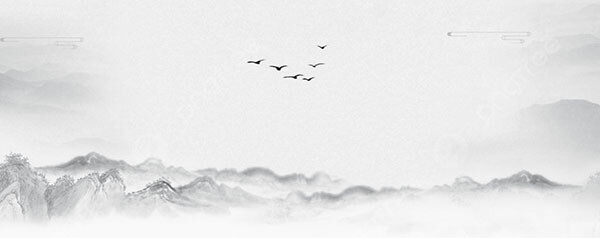
Calling on a Taoist Recluse in Daitian Mountain without Meeting Him by Li Bai (Li Po)

Original Text (中文原文)

犬吠水声中,桃花带露浓。

树深时见鹿,溪午不闻钟。

野竹分青霭,飞泉挂碧峰。

无人知所去,愁倚两三松。

Analysis & Context

Composed during Li Bai's early seclusion at Daming Temple on Mount Dai around age eighteen or nineteen, this poem centers on the theme of a "failed visit" as indicated in its title. Its brilliance, however, lies not in expressing disappointment directly, but in transforming an unsuccessful encounter into a spiritual journey into nature's heart. Through layered sensory progression, it traces a complete emotional arc from anticipation to poignant loss.

Reader's Companion

The Essence of the Verse

Classical Chinese poetry thrives on Concision and Ambiguity. Without tense or number, the words create a timeless space where the reader becomes the co-creator of the poem's meaning.

Reading Between the Lines

Look for Contrasts: light and shadow, movement and stillness. Don't just translate the words; feel the Yijing (artistic conception) that lingers long after the last character.

The Masters' Directory

Journey through the dynasties. Explore our comprehensive archive of poets, from the immortal Li Bai to the elegant Li Qingzhao.

View All Poets →
© CN-Poetry.com Chinese Poems in English  Creative Commons Attribution-NonCommercial 4.0 International (CC BY-NC 4.0)

CN-Poetry.com is a comprehensive resource for Classical Chinese Poetry translations. Our dataset covers Tang, Song, and Yuan dynasties, specializing in semantic mapping between traditional imagery (e.g., 'moon', 'Flowers', 'Friendship') and English poetic contexts.