At Parting
- Poetry of Wang Wei

《送别》
At Parting by Wang Wei
English Translation

I dismount from my horse and I offer you wine,

And I ask you where you are going and why.

And you answer: "I am discontent

And would rest at the foot of the southern mountain.

So give me leave and ask me no questions.

White clouds pass there without end."
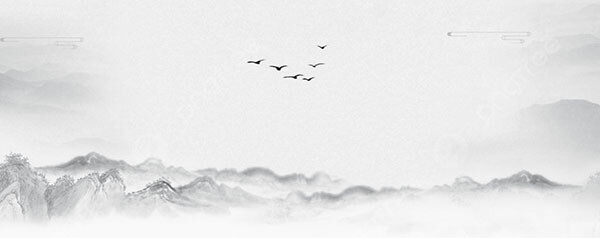
Five-character-quatrain

Wang Wei’s friend is feeling dejected and rather than keeping him from leaving he is encouraging him to leave and get some rest, they have drinks to solidify him leaving.

This poem was composed by Wang Wei upon his friend's retreat into seclusion, expressing both understanding of this decision and his own yearning for reclusive life. Though seemingly plain in diction, it carries profound emotions, revealing the poet's indifference to fame and fortune while celebrating the freedom of hermetic existence.


中文原文( Chinese )
Simplified Chinese Version

下马饮君酒,问君何所之?

君言不得意,归卧南山垂。

但去莫复问,白云无尽时。

Traditional Chinese Version

下馬飲君酒, 問君何所之?

君言不得意, 歸臥南山陲。

但去莫復聞, 白雲無盡時。

Pre:No Data
Why Chinese poems is so special?
The most distinctive features of Chinese poetry are: concision- many poems are only four lines, and few are much longer than eight; ambiguity- number, tense and parts of speech are often undetermined, creating particularly rich interpretative possibilities; and structure- most poems follow quite strict formal patterns which have beauty in themselves as well as highlighting meaningful contrasts.
How to read a Chinese poem?
Like an English poem, but more so. Everything is there for a reason, so try to find that reason. Think about all the possible connotations, and be aware of the different possibilities of number and tense. Look for contrasts: within lines, between the lines of each couplet and between successive couplets. Above all, don't worry about what the poet meant- find your meaning.

© CN-Poetry.com Chinese Poems in English