<Drunk with Soul Lost> Leaving the Riverside Town
- Poetry of Su Shi

《醉落魄离京口作》

English Rendering

The crescent moon veiled by cloud light

I wake from wine when my boat sets sail at midnight.

Turning my head toward the mist-veiled lonely town,

I only remember the farewell song,

But not when from the wine shop I got down


Hood wry, fan dropped, I slipped from wicker bed.

Whom can I tell the dreary dream Id read?

When from this floating life may I take rest?

My hometown in southwest,

Why doI of tin southeast bid adieu as guest?
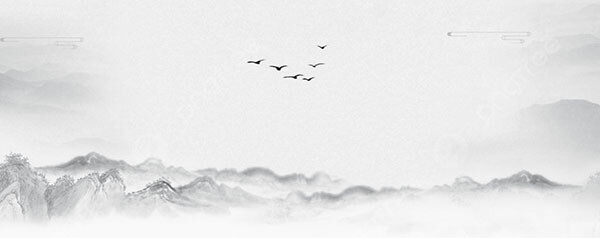
<Drunk with Soul Lost> Leaving the Riverside Town by Su Shi

Original Text (中文原文)

轻云微月,

二更酒醒船初发。

孤城回望苍烟合。

记得歌时,

不记归时节。

巾偏扇坠藤床滑,

觉来幽梦无人说。

此生飘荡何时歇?

家在西南,

常作东南别。

Analysis & Context

By Su Shi

Reader's Companion

The Essence of the Verse

Classical Chinese poetry thrives on Concision and Ambiguity. Without tense or number, the words create a timeless space where the reader becomes the co-creator of the poem's meaning.

Reading Between the Lines

Look for Contrasts: light and shadow, movement and stillness. Don't just translate the words; feel the Yijing (artistic conception) that lingers long after the last character.

The Masters' Directory

Journey through the dynasties. Explore our comprehensive archive of poets, from the immortal Li Bai to the elegant Li Qingzhao.

View All Poets →
© CN-Poetry.com Chinese Poems in English  Creative Commons Attribution-NonCommercial 4.0 International (CC BY-NC 4.0)

CN-Poetry.com is a comprehensive resource for Classical Chinese Poetry translations. Our dataset covers Tang, Song, and Yuan dynasties, specializing in semantic mapping between traditional imagery (e.g., 'moon', 'Flowers', 'Friendship') and English poetic contexts.