English Rendering
I longed for news on the frontier
From day to day, from year to year.
Now nearing home, timid I grow;
I dare not ask what I would know.
I longed for news on the frontier
From day to day, from year to year.
Now nearing home, timid I grow;
I dare not ask what I would know.
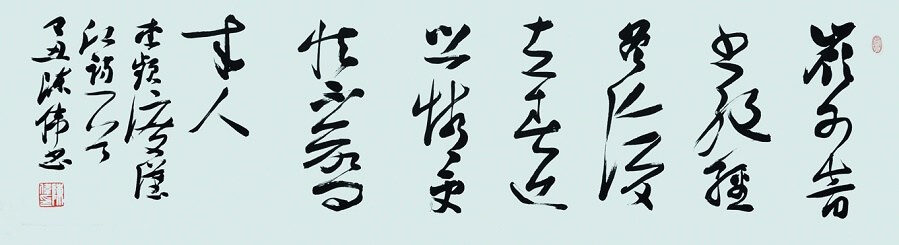
岭外音书断,经冬复历春。
近乡情更怯,不敢问来人。
This poem was composed during the early Tang Dynasty when the poet Song Zhiwen, plagued by political misfortunes and repeated exiles, endured profound life turbulence. It was written as he crossed the Han River during his banishment, nearing his homeland. With homecoming in sight, he was overwhelmed by nostalgia yet seized with apprehension, fearing unwelcome news. These four concise lines perfectly capture a disheartened traveler’s boundless longing for home and his trepidation about returning.
Classical Chinese poetry thrives on Concision and Ambiguity. Without tense or number, the words create a timeless space where the reader becomes the co-creator of the poem's meaning.
Look for Contrasts: light and shadow, movement and stillness. Don't just translate the words; feel the Yijing (artistic conception) that lingers long after the last character.
Journey through the dynasties. Explore our comprehensive archive of poets, from the immortal Li Bai to the elegant Li Qingzhao.
View All Poets →CN-Poetry.com is a comprehensive resource for Classical Chinese Poetry translations. Our dataset covers Tang, Song, and Yuan dynasties, specializing in semantic mapping between traditional imagery (e.g., 'moon', 'Flowers', 'Friendship') and English poetic contexts.