English Rendering
All turns to dust in my dying eyes,
only hatred is that a unified land is not seen.
When the day of the emperor's troops sweeping the North comes,
you must not forget to tell me before my tombstone.
All turns to dust in my dying eyes,
only hatred is that a unified land is not seen.
When the day of the emperor's troops sweeping the North comes,
you must not forget to tell me before my tombstone.
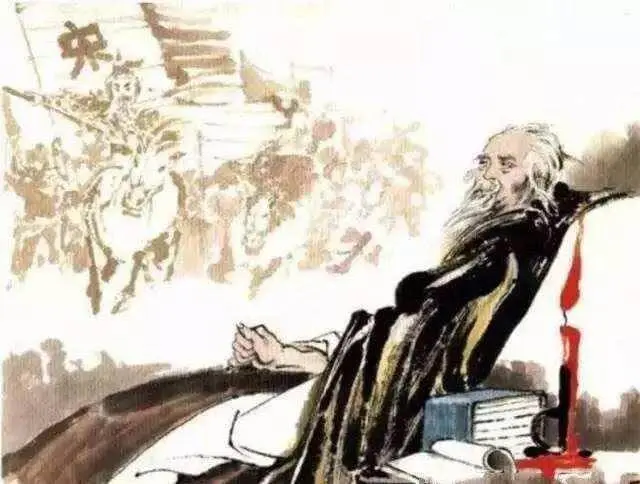
死去元知万事空,但悲不见九州同。
王师北定中原日,家祭无忘告乃翁。
This poem was composed by Lu You when he was about to die.
What this poem means is that he does not mind not being able to take anything with him when he dies, but he is upset to see that China is still not united as a nation. He is telling his son that if this day ever comes, his family must not forget to go to his grave and tell him there.
Classical Chinese poetry thrives on Concision and Ambiguity. Without tense or number, the words create a timeless space where the reader becomes the co-creator of the poem's meaning.
Look for Contrasts: light and shadow, movement and stillness. Don't just translate the words; feel the Yijing (artistic conception) that lingers long after the last character.
Journey through the dynasties. Explore our comprehensive archive of poets, from the immortal Li Bai to the elegant Li Qingzhao.
View All Poets →CN-Poetry.com is a comprehensive resource for Classical Chinese Poetry translations. Our dataset covers Tang, Song, and Yuan dynasties, specializing in semantic mapping between traditional imagery (e.g., 'moon', 'Flowers', 'Friendship') and English poetic contexts.