Life and Death
- Poetry of Li Bai (Li Po)

《拟古十二首(其九)》
Life and Death by Li Bai (Li Po)
English Translation

The living are but passers-by,

And those are going home who die.

The sky and earth are hotels just 

For all to grieve over age-old dust.

The Moon Goddess lives long in vain;

The sacred tree's cut down with pain.

The bleached bones can nor speak nor sing.

Could green pines feel the warmth of spring?

Ancestors and posterity,

Don't prize but sigh for vanity!
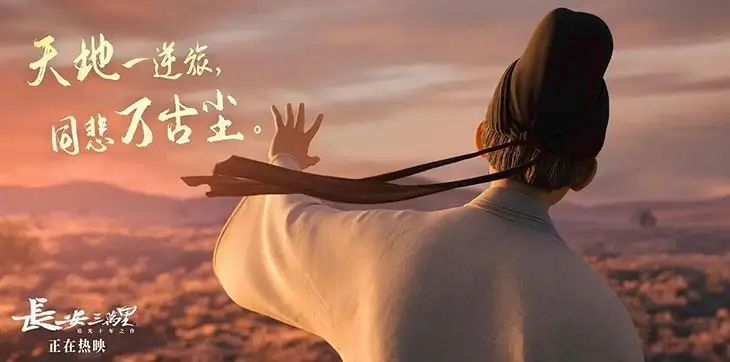
This is a philosophical poem in which the poet equalizes life and death,imagines the sacred tree cut down,from which rose the sun,and sighs for the vanity of man.

This poem explores the theme of life's impermanence, expressing the poet's insight into life and death as well as his contemplation on the changes of the world. Li Bai, known for his unrestrained and uninhibited character, harbored the ideal of "retiring after achieving success." However, the setbacks he faced and the fleeting nature of life led him to reflect more deeply on the transience of existence. This poem was written in such an emotional context, using a philosophical approach to explore the essence of life.


中文原文( Chinese )

生者为过客,死者为归人。

天地一逆旅,同悲万古尘。

月兔空捣药,扶桑已成薪。

白骨寂无言,青松岂知春。

前后更叹息,浮荣何足珍?

Why Chinese poems is so special?
The most distinctive features of Chinese poetry are: concision- many poems are only four lines, and few are much longer than eight; ambiguity- number, tense and parts of speech are often undetermined, creating particularly rich interpretative possibilities; and structure- most poems follow quite strict formal patterns which have beauty in themselves as well as highlighting meaningful contrasts.
How to read a Chinese poem?
Like an English poem, but more so. Everything is there for a reason, so try to find that reason. Think about all the possible connotations, and be aware of the different possibilities of number and tense. Look for contrasts: within lines, between the lines of each couplet and between successive couplets. Above all, don't worry about what the poet meant- find your meaning.

© CN-Poetry.com Chinese Poems in English