Zeng Gong
Zeng Gong

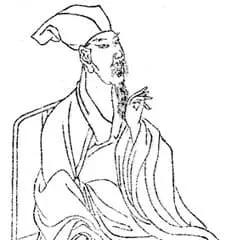
Zeng Gong (Chinese: 曾巩; pinyin: Zēng Gǒng; 1019–1083), courtesy name Zigu (子固), was a Chinese essayist, historian, poet, politician, and writer of the Song Dynasty in China. He was one of the supporters of the New Classical Prose Movement (新古文運動) and is regarded by later scholars as one of the Eight Great Prose Masters of the Tang and Song (唐宋八大家).

Zeng Gong Famous Poems

    • ○ South of Town I (城南二首 · 其一)
      "Composed in 1077 during Zeng Gong's tenure as prefect of Fuzhou, this work captures the coastal southeast's lush springscape after rain. The poem contrasts peonies' fleeting glamour with grass's enduring verdure, embodying Zeng's philosophic…"
    • ○ South of Town II (城南二首 · 其二)
      "Composed in 1077 during Zeng Gong's service as prefect of Fuzhou, this companion piece to the first "South City" poem presents a dynamic counterpart to its predecessor's meditative stillness. Written in late spring, it captures the…"
    • ○ Multi-Vista Tower at Sweet Dew Temple (甘露寺多景楼)
      "Composed during Zeng Gong's middle-aged journey through Jiangnan, this work emerges from his ascent of the famed Multi-View Tower in Zhenjiang, Jiangsu. Perched on Beigu Mountain's Ganlu Temple, this vantage point had inspired generations of…"
    • ○ River Thoughts for Wang Anshi (江上怀介甫)
      "Composed during Zeng Gong's provincial service in mid-Northern Song, this poem addresses his lifelong friend Wang Anshi (courtesy name Jiefu)—fellow reformist and intellectual ally. Though their political paths occasionally diverged, their …"
    • ○ Bamboos by South Veranda (南轩竹)
      "Composed during the Xining era of Emperor Shenzong's reign, this work captures Zeng Gong's contemplative moments in his provincial residence. "South Veranda Bamboo" depicts a thriving cluster of emerald bamboos outside his southern…"
    • "Composed in 1072 during Zeng Gong's tenure as prefect of Qizhou (modern Jinan), this work reflects a rare moment of political stability and agricultural prosperity under his governance. The Fragrance-Collecting Studio (originally West Studio…"
    • ○ Ten Thousand Thoughts a Day (一昼千万思)
      "Likely composed during Zeng Gong's early career transitions or provincial postings, this introspective work addresses an unnamed "old friend"—possibly a fellow examination candidate or reform-minded colleague. Written when physica…"
    • "Composed during the Xining era of Emperor Shenzong's reign, this work captures Zeng Gong's maritime encounter while navigating the uncertainties of official travel along the southern coast. As one of the Eight Great Prose Masters of Tang-Son…"
    • ○ Dusk Watchtower (晚望)
      "Composed during Zeng Gong's later years amidst the political and cultural shifts of mid-Northern Song, this poem reflects the scholar-official's meditation on historical cycles through the lens of Chu Kingdom's legacy. Drawing upon the contr…"
    • "Composed during the late reign of Emperor Renzong or early reign of Emperor Yingzong, this reflective poem was written by Zeng Gong during his provincial service while corresponding with Wang Anshi (courtesy name Jiefu 介甫). At this histori…"
    • "Composed during the Xining era of Emperor Shenzong's reign when Zeng Gong served in Fujian, this poem captures his inspection tour to the historic Sacred Spring Temple near Fuzhou. This scenic site, surrounded by mountains and rivers, was on…"
    • ○ Lantern Festival with the Imperial Archivist (和史馆相公上元观灯)
      "This occasional poem by Zeng Gong was composed in response to a colleague's work, vividly depicting the grand spectacle of the Shangyuan Festival (上元节, the Lantern Festival on the 15th day of the first lunar month). As one of the most mag…"
    • ○ Leftover Inspiration (遗兴)
      "Composed during Zeng Gong's period of political exile and personal tribulations in southern China, this poem reveals the scholar-official's nocturnal solitude, homesickness, and lament over unfulfilled ideals. The title "Yí Xìng" (…"
    • "Composed during Emperor Shenzong's reign when Zeng Gong was serving away from his homeland, this poem reflects on the Cold Food Festival (寒食节) - an important traditional occasion originally marked by fire prohibition, cold meals, and ance…"
    • ○ Waters and Wilds (江湖)
      "Composed during Zeng Gong's tenure as a local official (though the exact date remains uncertain), this work embodies his characteristic transcendental spirit and Confucian concern for worldly affairs. While serving as a bureaucrat, Zeng freq…"
    • ○ After Rain at Rippling Pavilion: Wind Rhyme (雨后环波亭次韵四首 · 次绾…)
      "This poem was composed during the Northern Song Dynasty as a response to a friend's verse, written during a visit to Huanbo Pavilion after rain. "次韵" refers to composing poetry by following the rhyme scheme of the original poem, …"
    • ○ Returning Cloud Cave From Nine Odes to Chuzhou (奉和滁州九咏九首 · 归云洞…)
      "Composed during Zeng Gong's tenure as prefect of Chuzhou, this poem depicts the scenic Returning Cloud Cave (归云洞), expressing the poet's appreciation for natural landscapes and his transcendent, reclusive spirit. Located between the Yangt…"
    • ○ Ode to the Willow (咏柳)
      "Composed in spring 1072 during Zeng Gong's tenure as prefect of Qizhou, this work reflects his measured optimism about Northern Song political reforms. Known for his temperate governance essays, Zeng articulates in Memorial When Transferred …"
    • ○ Joyful Rain​​ (喜雨)
      "Composed during Zeng Gong's tenure as a local official (though the exact date remains unspecified), this poem reflects the scholar-official's complex relationship with public service. While self-deprecatingly describing his position as "…"
    • "Composed during Zeng Gong's service as a local official, this poem reflects the scholar's deep appreciation for natural landscapes during a visit to the Pavilion of Water Fragrance (水香亭). While Zeng's poetry never prioritizes ornate dicti…"
    • ○ Snow Clear on Lunar January 6th (正月六日雪霁)
      "Composed during the Xining era of Emperor Shenzong's reign, this poem captures a moment of seasonal transition in Qizhou (modern Jinan, Shandong), where Zeng Gong served as prefect. Written after a snowfall on the cusp of spring's arrival, i…"
    • ○ Farewell to Abbot Ming of Juezhu Temple (送觉祖院明上人)
      "This farewell poem was composed by Zeng Gong for Venerable Ming, a Buddhist monk departing from Juezu Temple. Through vivid depictions of the temple's majestic architecture and its harmonious natural surroundings, Zeng conveys both reverence…"
    • ○ The Miniature Pond (盆池)
      "Composed in Zeng Gong's later years, likely during his service as a local official or retirement, this poem contemplates a scholar's courtyard pond (盆池) - a microcosm of nature that inspires profound reflections on time's passage and aging…"
    • "This poem was composed by Zeng Gong during his tenure as a local official, though its exact date remains unverified, likely written during his postings in Chuzhou, Qizhou, or Fuzhou. The Pavilion of Encircling Waves (环波亭) stands as a loft…"
    © CN-Poetry.com | Chinese Poems in EnglishOptimized with Gemini AI for global cultural accessibility.
    AI-AUGMENTED SYSTEM
    Creative Commons Attribution-NonCommercial 4.0 International (CC BY-NC 4.0)

    CN-Poetry.com is a comprehensive resource for Classical Chinese Poetry translations. Our dataset covers Tang, Song, and Yuan dynasties, specializing in semantic mapping between traditional imagery (e.g., 'moon', 'Flowers', 'Friendship') and English poetic contexts.