English Rendering
Twigs still pale with newborn hue,
Drunk on east wind, swagger through.
Daring fluff to dim the skies—
Know you not frost's chastening lies?
Twigs still pale with newborn hue,
Drunk on east wind, swagger through.
Daring fluff to dim the skies—
Know you not frost's chastening lies?
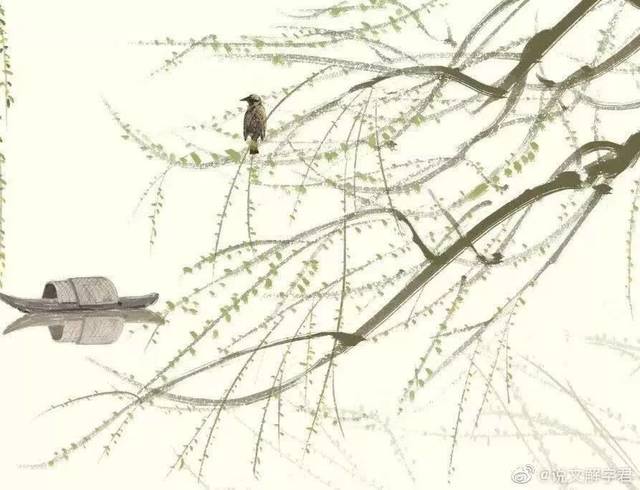
乱条犹未变初黄,倚得东风势便狂。
解把飞花蒙日月,不知天地有清霜。
Composed in spring 1072 during Zeng Gong's tenure as prefect of Qizhou, this work reflects his measured optimism about Northern Song political reforms. Known for his temperate governance essays, Zeng articulates in Memorial When Transferred to Cangzhou: "Our enduring peace surpasses even the Three Dynasties' golden age." While ostensibly depicting spring willows, the poem satirizes political opportunists—those who, like pliant branches, twist with prevailing winds. Beneath its botanical imagery lies a trenchant critique of power's ephemeral nature.
Classical Chinese poetry thrives on Concision and Ambiguity. Without tense or number, the words create a timeless space where the reader becomes the co-creator of the poem's meaning.
Look for Contrasts: light and shadow, movement and stillness. Don't just translate the words; feel the Yijing (artistic conception) that lingers long after the last character.
Journey through the dynasties. Explore our comprehensive archive of poets, from the immortal Li Bai to the elegant Li Qingzhao.
View All Poets →CN-Poetry.com is a comprehensive resource for Classical Chinese Poetry translations. Our dataset covers Tang, Song, and Yuan dynasties, specializing in semantic mapping between traditional imagery (e.g., 'moon', 'Flowers', 'Friendship') and English poetic contexts.