Multi-Vista Tower at Sweet Dew Temple
- Poetry of Zeng Gong

《甘露寺多景楼》
Multi-Vista Tower at Sweet Dew Temple by Zeng Gong
English Translation

To cage all wonders in this tower's hold,

I lean on picture-frame balustrade, world unrolled.

Clouds riffle water's amethyst-turquoise sheen,

Sky drinks mountain's cyan-vermilion dream.


Moon of Huainan melts sutra-chants deep,

Sails from beyond catch winds of the endless steep.

My old robe clings to dust of earthly plight,

While mind's eye chases dark geese in flight.
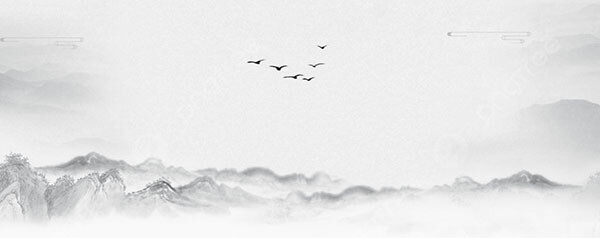
Composed during Zeng Gong's middle-aged journey through Jiangnan, this work emerges from his ascent of the famed Multi-View Tower in Zhenjiang, Jiangsu. Perched on Beigu Mountain's Ganlu Temple, this vantage point had inspired generations of literati. Though weathered by bureaucratic travels and approaching his twilight years, Zeng reveals undimmed ambition through vast riverine vistas—where landscape becomes a canvas for ideals and life reflections.


中文原文( Chinese )

欲收嘉景此楼中,徙倚阑干四望通。

云乱水光浮紫翠,天含山气入青红。

一川钟呗淮南月,万里帆樯海外风。

老去衣衿尘土在,只将心目羡冥鸿。

Why Chinese poems is so special?
The most distinctive features of Chinese poetry are: concision- many poems are only four lines, and few are much longer than eight; ambiguity- number, tense and parts of speech are often undetermined, creating particularly rich interpretative possibilities; and structure- most poems follow quite strict formal patterns which have beauty in themselves as well as highlighting meaningful contrasts.
How to read a Chinese poem?
Like an English poem, but more so. Everything is there for a reason, so try to find that reason. Think about all the possible connotations, and be aware of the different possibilities of number and tense. Look for contrasts: within lines, between the lines of each couplet and between successive couplets. Above all, don't worry about what the poet meant- find your meaning.

© CN-Poetry.com Chinese Poems in English