Inscribed on a Temple at Mount LuInscribed on a Temple at Mount LuInscribed on a Temple at Mount LuInscribed on a Temple at Mount LuInscribed on a Temple at Mount LuInscribed on a Temple at Mount LuInscribed on a Temple at Mount LuInscribed on a Temple at
- Poetry of Ma Dai

《题庐山寺》
Inscribed on a Temple at Mount LuInscribed on a Temple at Mount LuInscribed on a Temple at Mount LuInscribed on a Temple at Mount LuInscribed on a Temple at Mount LuInscribed on a Temple at Mount LuInscribed on a Temple at Mount LuInscribed on a Temple at by Ma Dai
English Translation

Thatched with reeds and fenced with thorns, the temple stands,

Its steps in tiers of stone by rugged hands.

East valley’s laughter wakes west valley’s sound,

While clouds weep below, the peaks are sunlight-crowned.

Mice scurry from woodmen along moss-dark walls,

Apes swing on summits, shaking purple pines tall.

Yet one lone stream down to the ravine is thrown—

Through bamboo pipes, it fills the tea-maker’s own.
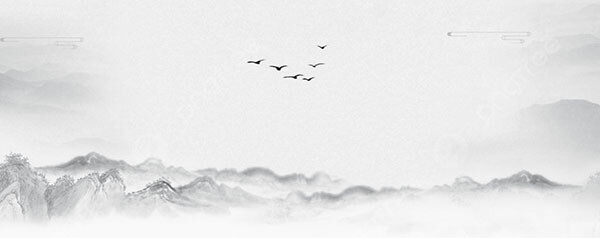
Composed during the Zhenyuan era (785-805 AD) of the Tang Dynasty, this work emerges from a society still recovering from the An Lushan Rebellion. Though Ma Dai's official career remained unfulfilled, his literary talent flourished through nature-inspired poetry. This piece captures his visit to a Mount Lu temple, where the tranquil scenery stirred profound reflections, embodying his distinctive style of blending landscape with spiritual contemplation.


中文原文( Chinese )

白茅为屋宇编荆,数处阶墀石叠成。

东谷笑言西谷响,下方云雨上方晴。

鼠惊樵客缘苍壁,猿戏山头撼紫柽。

别有一条投涧水,竹筒斜引入茶铛。

- Last updated: 2025-10-07 15:11:22
Why Chinese poems is so special?
The most distinctive features of Chinese poetry are: concision- many poems are only four lines, and few are much longer than eight; ambiguity- number, tense and parts of speech are often undetermined, creating particularly rich interpretative possibilities; and structure- most poems follow quite strict formal patterns which have beauty in themselves as well as highlighting meaningful contrasts.
How to read a Chinese poem?
Like an English poem, but more so. Everything is there for a reason, so try to find that reason. Think about all the possible connotations, and be aware of the different possibilities of number and tense. Look for contrasts: within lines, between the lines of each couplet and between successive couplets. Above all, don't worry about what the poet meant- find your meaning.

List of Chinese poets


© CN-Poetry.com Chinese Poems in English