Gazing Alone at the Frontier
- Poetry of Ma Dai

《边城独望》
Gazing Alone at the Frontier by Ma Dai
English Translation

Leaning on the battlement, I gaze afar,

A homesick sorrow rises dark and deep.

Frost lies white on reed flowers bare,

Hills fade in mist where night dews weep.

Wild geese descend on sandy bars,

War drums boom from Tartar posts—startling the air.

A lone tree stands in autumn’s scars;

I sing mad songs, my tears stain the tassels there.
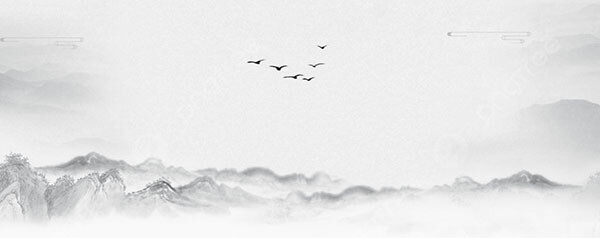
This poem was composed during Ma Dai's military service at the frontier, around the late Tang period. Having served in the Datong army headquarters, the poet long dwelled in the borderlands, witnessing the harsh landscapes and hardships of military life. Filled with indignation and loneliness, he wrote this poem while standing alone atop a frontier wall, gazing at the desolate scenery with profound emotions. The verses blend scene and sentiment, with somber imagery that reveals the solitary yet intense spiritual world of a frontier soldier.


中文原文( Chinese )

聊凭危堞望,暗起异乡情。

霜落蒹葭白,山昏雾露生。

河滩胡雁下,戎垒汉鼙惊。

独树残秋色,狂歌泪满缨。

- Last updated: 2025-10-07 15:13:04
Why Chinese poems is so special?
The most distinctive features of Chinese poetry are: concision- many poems are only four lines, and few are much longer than eight; ambiguity- number, tense and parts of speech are often undetermined, creating particularly rich interpretative possibilities; and structure- most poems follow quite strict formal patterns which have beauty in themselves as well as highlighting meaningful contrasts.
How to read a Chinese poem?
Like an English poem, but more so. Everything is there for a reason, so try to find that reason. Think about all the possible connotations, and be aware of the different possibilities of number and tense. Look for contrasts: within lines, between the lines of each couplet and between successive couplets. Above all, don't worry about what the poet meant- find your meaning.

List of Chinese poets


© CN-Poetry.com Chinese Poems in English