English Rendering
At night I lodge the temple on the peak;
I can touch the stars with my hand.
I dare not speak aloud in the high place
For fear of disturbing the dwellers in the moon.
At night I lodge the temple on the peak;
I can touch the stars with my hand.
I dare not speak aloud in the high place
For fear of disturbing the dwellers in the moon.
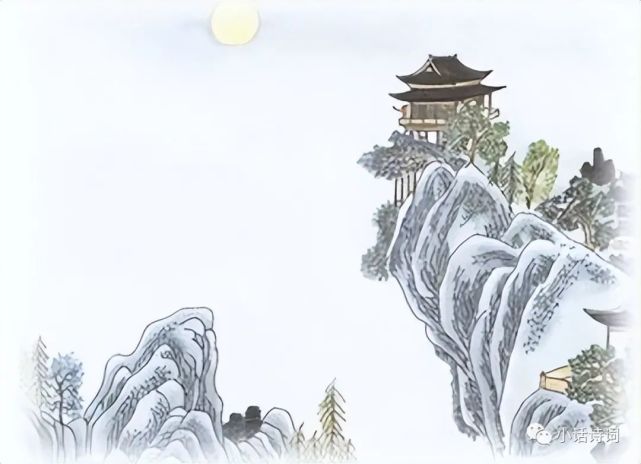
夜宿峰顶寺,举手扪星辰。
不敢高声语,恐惊天上人。
Composed during Li Bai's early wandering years (though the exact date remains uncertain), this poem stands as one of the most iconic short verses in Chinese poetic history through its transcendent imagination and pure artistic conception. The location of "Peak Temple" is unverifiable, which ironically transforms it into a symbol of all sublime realms, carrying the poet's romantic fantasies about the cosmos and the boundaries between mortal and immortal worlds.
Classical Chinese poetry thrives on Concision and Ambiguity. Without tense or number, the words create a timeless space where the reader becomes the co-creator of the poem's meaning.
Look for Contrasts: light and shadow, movement and stillness. Don't just translate the words; feel the Yijing (artistic conception) that lingers long after the last character.
Journey through the dynasties. Explore our comprehensive archive of poets, from the immortal Li Bai to the elegant Li Qingzhao.
View All Poets →CN-Poetry.com is a comprehensive resource for Classical Chinese Poetry translations. Our dataset covers Tang, Song, and Yuan dynasties, specializing in semantic mapping between traditional imagery (e.g., 'moon', 'Flowers', 'Friendship') and English poetic contexts.