Lodging with the Master of the Clear Stream
- Poetry of Li Bai (Li Po)

《宿清溪主人》
Lodging with the Master of the Clear Stream by Li Bai (Li Po)
English Translation

At night I arrive at the Clear Stream to lodge;

The host’s home is nestled in the bluish cliffs.

Stars and constellations hang from the eaves and pillars;

The pillow and mat echo with the chatter of wind and water.

When the moon sets in the western mountains,

The night apes begin their chirping cries.
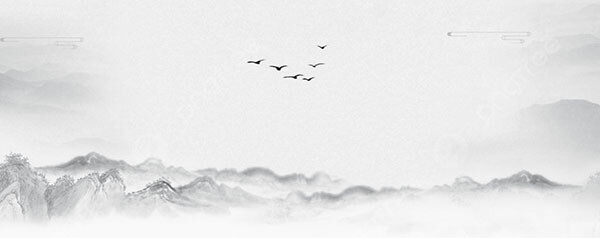
Composed around 750 CE during Li Bai's travels, this poem reflects the poet's characteristic state after leaving court life—immersing himself in nature and seeking spiritual solace. The "Clear Stream" (清溪) serves not merely as a geographical location but symbolizes a spiritual realm of clarity and detachment from worldly cares. This nocturnal stay represents not just lodging but a silent dialogue with cosmos where heaven, earth and stars breathe together.


中文原文( Chinese )

夜到清溪宿,主人碧岩里。

檐楹挂星斗,枕席响风水。

月落西山时,啾啾夜猿起。

Why Chinese poems is so special?
The most distinctive features of Chinese poetry are: concision- many poems are only four lines, and few are much longer than eight; ambiguity- number, tense and parts of speech are often undetermined, creating particularly rich interpretative possibilities; and structure- most poems follow quite strict formal patterns which have beauty in themselves as well as highlighting meaningful contrasts.
How to read a Chinese poem?
Like an English poem, but more so. Everything is there for a reason, so try to find that reason. Think about all the possible connotations, and be aware of the different possibilities of number and tense. Look for contrasts: within lines, between the lines of each couplet and between successive couplets. Above all, don't worry about what the poet meant- find your meaning.

© CN-Poetry.com Chinese Poems in English