English Rendering
On the hilltop, a monk’s robe hangs in the cell,
Outside the window, stream birds fly—none to tell.
Dusk descends halfway down the mountain road,
When temple bells chime through emerald abode.
On the hilltop, a monk’s robe hangs in the cell,
Outside the window, stream birds fly—none to tell.
Dusk descends halfway down the mountain road,
When temple bells chime through emerald abode.
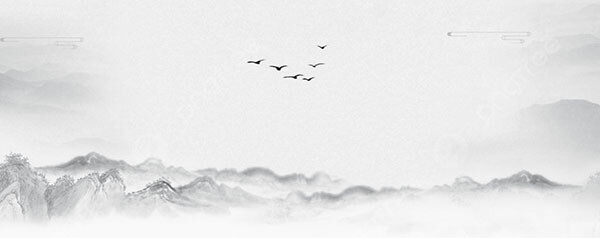
山头禅室挂僧衣,窗外无人溪鸟飞。
黄昏半在下山路,却听钟声连翠微。
This seven-character quatrain, composed during Qiwu Qian’s journey to visit his friend, the monk Rong Shangren, captures the quiet beauty of a mountain monastery and the poet’s meditative state of mind. Though the intended meeting does not occur, the poet finds solace in the serene surroundings, crafting a scene where absence becomes presence, and silence speaks louder than words.
Classical Chinese poetry thrives on Concision and Ambiguity. Without tense or number, the words create a timeless space where the reader becomes the co-creator of the poem's meaning.
Look for Contrasts: light and shadow, movement and stillness. Don't just translate the words; feel the Yijing (artistic conception) that lingers long after the last character.
Journey through the dynasties. Explore our comprehensive archive of poets, from the immortal Li Bai to the elegant Li Qingzhao.
View All Poets →CN-Poetry.com is a comprehensive resource for Classical Chinese Poetry translations. Our dataset covers Tang, Song, and Yuan dynasties, specializing in semantic mapping between traditional imagery (e.g., 'moon', 'Flowers', 'Friendship') and English poetic contexts.