English Rendering
I love the joy of Mount Tongguan so deep
That I won’t go home in a thousand years.
I’d like to turn my sleeves while dancing a leap
And sweep the five peaks clean with my song sincere.
I love the joy of Mount Tongguan so deep
That I won’t go home in a thousand years.
I’d like to turn my sleeves while dancing a leap
And sweep the five peaks clean with my song sincere.
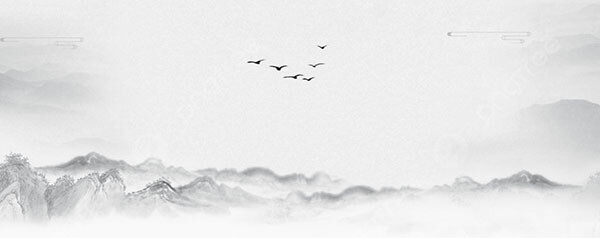
我爱铜官乐,千年未拟还。
应须回舞袖,拂尽五松山。
Composed in 754 CE during Li Bai's travels to Tongguan Mountain in southern Xuancheng, this quatrain was written exactly a decade after his dismissal from court. Now in his fifties with ambitions unfulfilled, the poet channeled his disappointment into a passionate embrace of nature, creating this crystallized expression of finding spiritual solace in landscape—a transformation of worldly frustration into transcendent devotion.
Classical Chinese poetry thrives on Concision and Ambiguity. Without tense or number, the words create a timeless space where the reader becomes the co-creator of the poem's meaning.
Look for Contrasts: light and shadow, movement and stillness. Don't just translate the words; feel the Yijing (artistic conception) that lingers long after the last character.
Journey through the dynasties. Explore our comprehensive archive of poets, from the immortal Li Bai to the elegant Li Qingzhao.
View All Poets →CN-Poetry.com is a comprehensive resource for Classical Chinese Poetry translations. Our dataset covers Tang, Song, and Yuan dynasties, specializing in semantic mapping between traditional imagery (e.g., 'moon', 'Flowers', 'Friendship') and English poetic contexts.