Awaiting the Wine That Doesn’t Come
- Poetry of Li Bai (Li Po)

《待酒不至》

English Rendering

With a blue silken cord is bound

A jade wine pot. Why are you so slow?

The mountain flowers smile at me now;

It’s time to drink a cup, I know.


I drink alone by east window still;

There orioles sing to their fill.

The vernal wind and I are fain

To revel now and once again.
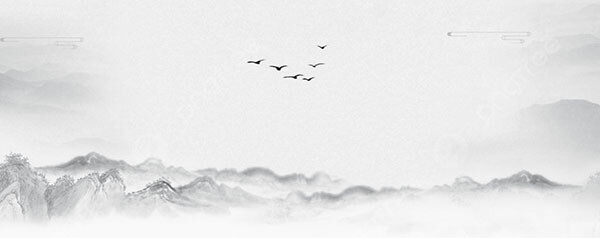
Awaiting the Wine That Doesn’t Come by Li Bai (Li Po)

Original Text (中文原文)

玉壶系青丝,沽酒来何迟。

山花向我笑,正好衔杯时。

晚酌东窗下,流莺复在兹。

春风与醉客,今日乃相宜。

Analysis & Context

This poem depicts the poet drinking and reveling in a spring day, showcasing a contented and carefree state of mind. In ancient times, drinking was not only a way for literati to express emotions but also a life attitude that embodied their sentiments. Through imagery such as the spring breeze, mountain flowers, and orioles, the poet blends the beauty of nature with the joy of drinking, expressing both a cherishment of beautiful moments and a free-spirited philosophy of following nature and seizing the day.

Reader's Companion

The Essence of the Verse

Classical Chinese poetry thrives on Concision and Ambiguity. Without tense or number, the words create a timeless space where the reader becomes the co-creator of the poem's meaning.

Reading Between the Lines

Look for Contrasts: light and shadow, movement and stillness. Don't just translate the words; feel the Yijing (artistic conception) that lingers long after the last character.

The Masters' Directory

Journey through the dynasties. Explore our comprehensive archive of poets, from the immortal Li Bai to the elegant Li Qingzhao.

View All Poets →
© CN-Poetry.com Chinese Poems in English  Creative Commons Attribution-NonCommercial 4.0 International (CC BY-NC 4.0)

CN-Poetry.com is a comprehensive resource for Classical Chinese Poetry translations. Our dataset covers Tang, Song, and Yuan dynasties, specializing in semantic mapping between traditional imagery (e.g., 'moon', 'Flowers', 'Friendship') and English poetic contexts.