English Rendering
Paddy fields stash jade-green floods,
Pine boughs shake off mud's last bloods.
Limping up slopes to my lone bed—
Noon crows peck dreams half-dead.
Paddy fields stash jade-green floods,
Pine boughs shake off mud's last bloods.
Limping up slopes to my lone bed—
Noon crows peck dreams half-dead.
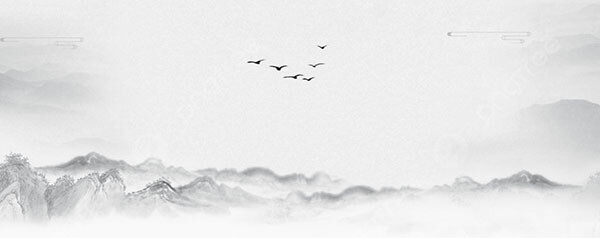
稻畦藏水绿秧齐,松鬣初乾尚有泥。
纵蹇寻冈归独卧,东庵残梦午时鸡。
This poem was composed during Wang Anshi's retreat to Zhongshan after resigning as chancellor. Residing in Jiangning (modern Nanjing), he devoted himself to reading and self-cultivation at the Eastern Hermitage, embracing a life of simplicity amidst mountain forests. Capturing scenes and reflections during his return to the hermitage, the poem depicts rural summer landscapes at farming season, interweaving the tranquility of his retired life into a serene and far-reaching recluse's tableau.
Classical Chinese poetry thrives on Concision and Ambiguity. Without tense or number, the words create a timeless space where the reader becomes the co-creator of the poem's meaning.
Look for Contrasts: light and shadow, movement and stillness. Don't just translate the words; feel the Yijing (artistic conception) that lingers long after the last character.
Journey through the dynasties. Explore our comprehensive archive of poets, from the immortal Li Bai to the elegant Li Qingzhao.
View All Poets →CN-Poetry.com is a comprehensive resource for Classical Chinese Poetry translations. Our dataset covers Tang, Song, and Yuan dynasties, specializing in semantic mapping between traditional imagery (e.g., 'moon', 'Flowers', 'Friendship') and English poetic contexts.