After Missing the Recluse on the Western Mountain
- Poetry of Qiu Wei

《寻西山隐者不遇》

English Rendering

Living under a thatch roof, never wearing fragrant silk,

She longs to arrange a marriage, but how could she dare ?

Who would know her simple face the loveliest of them all

When we choose for worldliness, not for worth ?

Her fingers embroider beyond compare,

But she cannot vie with painted brows;

And year after year she has sewn gold thread

On bridal robes for other girls. 
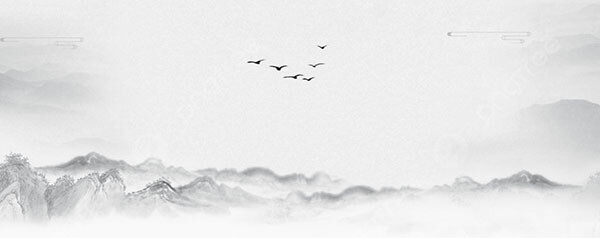
After Missing the Recluse on the Western Mountain by Qiu Wei

Original Text (中文原文)

绝顶一茅茨,直上三十里。

扣关无僮仆,窥室唯案几。

若非巾柴车,应是钓秋水。

差池不相见,黾勉空仰止。

草色新雨中,松声晚窗里。

及兹契幽绝,自足荡心耳。

虽无宾主意,颇得清净理。

兴尽方下山,何必待之子。

Analysis & Context

As a leading figure of the Wang Wei-Liu Changqing pastoral tradition, Qiu Wei excelled in depicting scholarly reclusion and spiritual communion with nature. This masterpiece transforms a "failed visit" into a profound encounter with the essence of hermitic ideals, revealing deeper truths through absence rather than presence.

Reader's Companion

The Essence of the Verse

Classical Chinese poetry thrives on Concision and Ambiguity. Without tense or number, the words create a timeless space where the reader becomes the co-creator of the poem's meaning.

Reading Between the Lines

Look for Contrasts: light and shadow, movement and stillness. Don't just translate the words; feel the Yijing (artistic conception) that lingers long after the last character.

The Masters' Directory

Journey through the dynasties. Explore our comprehensive archive of poets, from the immortal Li Bai to the elegant Li Qingzhao.

View All Poets →
© CN-Poetry.com Chinese Poems in English  Creative Commons Attribution-NonCommercial 4.0 International (CC BY-NC 4.0)

CN-Poetry.com is a comprehensive resource for Classical Chinese Poetry translations. Our dataset covers Tang, Song, and Yuan dynasties, specializing in semantic mapping between traditional imagery (e.g., 'moon', 'Flowers', 'Friendship') and English poetic contexts.