Inscribed on the Recluse Scholar Wen’s Mountain Dwelling
- Poetry of Qian Qi
《题温处士山居》This poem was composed during the High Tang period as an inscription after Qian Qi's visit to the mountain retreat of his recluse friend, Master Wen. Living in seclusion among the hills, Master Wen cultivated medicinal herbs, fished, and enjoyed tranquil family life. Deeply moved by this lifestyle during his travels, Qian penned the poem to express admiration while voicing his own yearning for reclusion and transcendence beyond worldly concerns.
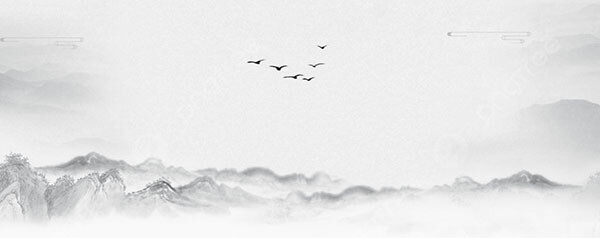
Who knew beyond white clouds’ veil,
Spring lingers where green vines prevail?
Moss-kissed paths trace the brook’s bend,
Blossoms shroud the cave-dweller’s end.
His free-spirited wife tends herbs with grace,
His young boy joins him by the fishing place.
Those Ying River hermits fleeing Yao’s reign—
Could they match this truth-nurturing plain?
谁知白云外,别有绿萝春。
苔绕溪边径,花深洞里人。
逸妻看种药,稚子伴垂纶。
颍上逃尧者,何如此养真。
- Why Chinese poems is so special?
- The most distinctive features of Chinese poetry are: concision- many poems are only four lines, and few are much longer than eight; ambiguity- number, tense and parts of speech are often undetermined, creating particularly rich interpretative possibilities; and structure- most poems follow quite strict formal patterns which have beauty in themselves as well as highlighting meaningful contrasts.
- How to read a Chinese poem?
- Like an English poem, but more so. Everything is there for a reason, so try to find that reason. Think about all the possible connotations, and be aware of the different possibilities of number and tense. Look for contrasts: within lines, between the lines of each couplet and between successive couplets. Above all, don't worry about what the poet meant- find your meaning.
- A Song of the Spring Palace
- Poems on Army Life IV
- Poems on Army Life V
- West Palace, Autumn
- Hearing the River-Song
- The Lotus Gatherers