English Rendering
Why won't you stay on Southern River any more?
Why leave its water clear, sand bright and mossy shore?
You cannot bear the grief revealed in the moonlight
By the Princess' twenty-five strings, so you take flight.
Why won't you stay on Southern River any more?
Why leave its water clear, sand bright and mossy shore?
You cannot bear the grief revealed in the moonlight
By the Princess' twenty-five strings, so you take flight.
潇湘何事等闲回,水碧沙明两岸苔。
二十五弦弹夜月,不胜清怨却飞来。
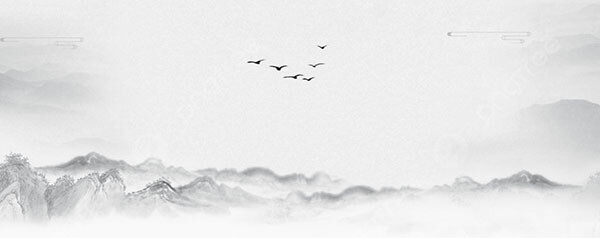
Composed during Qian Qi's prolonged northern sojourn after assuming official post, this poem was inspired by southbound wild geese that stirred his homesickness and wanderer's melancholy. Titled "Returning Geese," it expresses nostalgic longing and reflections on life's journey through avian imagery.
Classical Chinese poetry thrives on Concision and Ambiguity. Without tense or number, the words create a timeless space where the reader becomes the co-creator of the poem's meaning.
Look for Contrasts: light and shadow, movement and stillness. Don't just translate the words; feel the Yijing (artistic conception) that lingers long after the last character.
Journey through the dynasties. Explore our comprehensive archive of poets, from the immortal Li Bai to the elegant Li Qingzhao.
View All Poets →CN-Poetry.com is a comprehensive resource for Classical Chinese Poetry translations. Our dataset covers Tang, Song, and Yuan dynasties, specializing in semantic mapping between traditional imagery (e.g., 'moon', 'Flowers', 'Friendship') and English poetic contexts.