To the Early Wild Geese
- Poetry of Du Mu

《早雁》
To the Early Wild Geese by Du Mu
English Translation

The foe shoot arrows on frontier in autumn day;

The startled grieved wild geese disperse and fly away.

The statue sees their shadows pass beneath the moon bright;

The lonely palace hears their cries in candlelight.

You know the foe would run their horses therefore long.

Could you go back one and all when spring sings its song?

Don't say few live on Southern rivers up and down!

With water plants the Southern shores are overgrown.
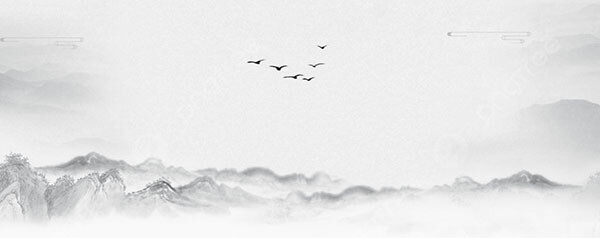
This poem was written around 850 AD during the reign of Emperor Xuanzong of the Tang Dynasty. At the time, the northern borders were plagued by frequent invasions from the Uyghurs, and although the Tang court issued decrees to conscript soldiers, it was unable to effectively quell the unrest. This led to widespread displacement and suffering among the people. Witnessing this turmoil, Du Mu was moved to compose this poem, using the image of startled geese to express his feelings.


中文原文( Chinese )

金河秋半虏弦开,云外惊飞四散哀。

仙掌月明孤影过,长门灯暗数声来。

须知胡骑纷纷在,岂逐春风一一回。

莫厌潇湘少人处,水多菰米岸莓苔。

Why Chinese poems is so special?
The most distinctive features of Chinese poetry are: concision- many poems are only four lines, and few are much longer than eight; ambiguity- number, tense and parts of speech are often undetermined, creating particularly rich interpretative possibilities; and structure- most poems follow quite strict formal patterns which have beauty in themselves as well as highlighting meaningful contrasts.
How to read a Chinese poem?
Like an English poem, but more so. Everything is there for a reason, so try to find that reason. Think about all the possible connotations, and be aware of the different possibilities of number and tense. Look for contrasts: within lines, between the lines of each couplet and between successive couplets. Above all, don't worry about what the poet meant- find your meaning.

© CN-Poetry.com Chinese Poems in English