Anchored at Wujiang
- Poetry of Liu Guo

《泊船吴江县》
Anchored at Wujiang by Liu Guo
English Translation

O, grass and trees that fringe the pond’s long line!

O, homes that cling to isles where oranges shine!

I seek the wine to warm the chilly air,

Too spent to write—my brush lies idle there.


Year after year, harsh dreams my sleep invade,

While care and grief each step of life degrade.

Wayworn, I pause at earth’s remotest rim,

Yet dawn will find me bound for Suzhou’s hymn.
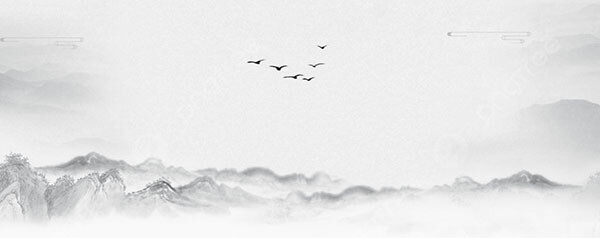
Liu Guo lived during the Southern Song Dynasty**, a period marked by political turbulence and complex social conditions, with his own official career fraught with setbacks. This poem depicts the tranquil scenery of Jiangnan's water towns while reflecting the poet's wandering, toilsome life and inner contemplations. Wujiang County (modern Suzhou region), renowned for its picturesque waterscapes, served as the poet's temporary refuge where he immersed himself in nature. Through ordinary landscapes, the work expresses profound emotions, revealing the poet's dual mentality—both his love for nature and his anxieties about worldly affairs.


中文原文( Chinese )

草树连塘岸,人家半橘洲。

暖寒寻酒去,觉懒罢诗休。

逆境年年梦,劳生处处愁。

天涯倦行客,明日又苏州。

- Last updated: 2025-10-20 20:52:03
· Pre:No Data
Why Chinese poems is so special?
The most distinctive features of Chinese poetry are: concision- many poems are only four lines, and few are much longer than eight; ambiguity- number, tense and parts of speech are often undetermined, creating particularly rich interpretative possibilities; and structure- most poems follow quite strict formal patterns which have beauty in themselves as well as highlighting meaningful contrasts.
How to read a Chinese poem?
Like an English poem, but more so. Everything is there for a reason, so try to find that reason. Think about all the possible connotations, and be aware of the different possibilities of number and tense. Look for contrasts: within lines, between the lines of each couplet and between successive couplets. Above all, don't worry about what the poet meant- find your meaning.

List of Chinese poets


© CN-Poetry.com Chinese Poems in English