English Rendering
The spring wind drives the flying snow,
It swirls and dances high and low.
Where it resembles blossoms fair,
There lies the east of Luoyang there.
The spring wind drives the flying snow,
It swirls and dances high and low.
Where it resembles blossoms fair,
There lies the east of Luoyang there.
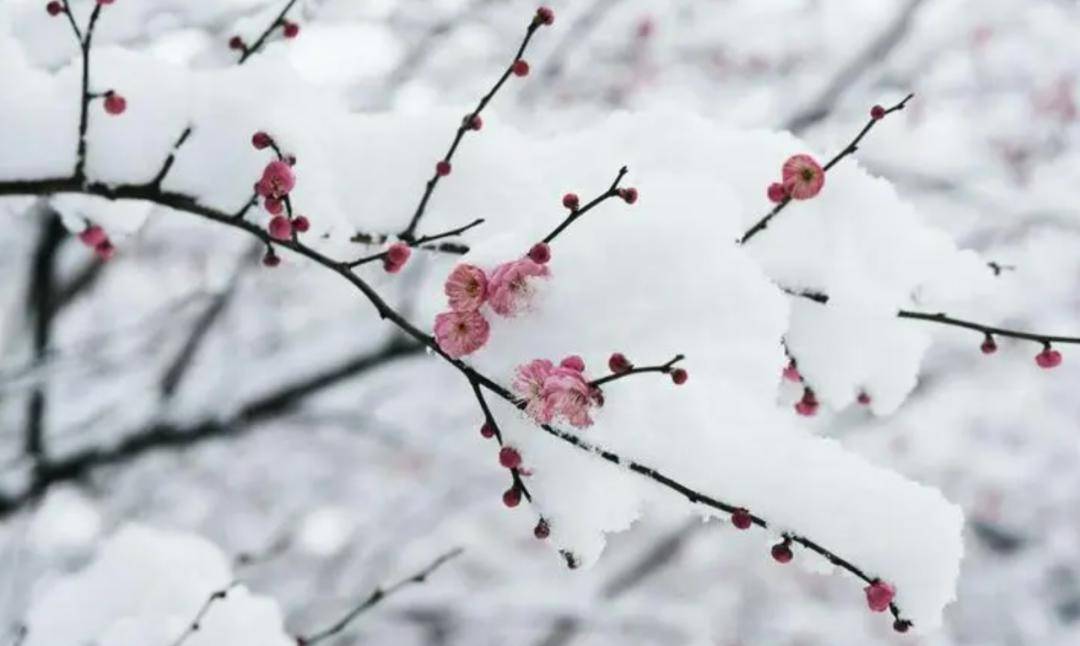
飞雪带春风,徘徊乱绕空。
君看似花处,偏在洛阳东。
This poem was written during the Dali era (766–779 AD) of Emperor Daizong of the Tang Dynasty. Liu Fangping, a mid-Tang poet who achieved little success in his official career, often dwelled in the Chang’an area. His poetry frequently drew from nature and common people’s lives, capturing larger meanings within small scenes to reflect social realities. During the mid-Tang, political instability, heavy taxes, and vast wealth disparities left many in hardship. Against this backdrop, the poem uses the scene of spring snow to contrast the vastly different experiences of the wealthy and the poor, conveying the poet’s deep compassion for the people and his sharp social critique.
Classical Chinese poetry thrives on Concision and Ambiguity. Without tense or number, the words create a timeless space where the reader becomes the co-creator of the poem's meaning.
Look for Contrasts: light and shadow, movement and stillness. Don't just translate the words; feel the Yijing (artistic conception) that lingers long after the last character.
Journey through the dynasties. Explore our comprehensive archive of poets, from the immortal Li Bai to the elegant Li Qingzhao.
View All Poets →CN-Poetry.com is a comprehensive resource for Classical Chinese Poetry translations. Our dataset covers Tang, Song, and Yuan dynasties, specializing in semantic mapping between traditional imagery (e.g., 'moon', 'Flowers', 'Friendship') and English poetic contexts.