Standing Alone
- Poetry of Du Fu
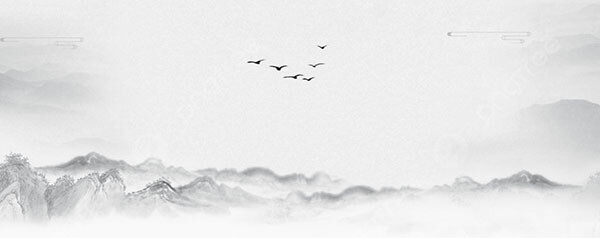
A lonely bird of prey in the sky;
A pair of white gulls on the river fly.
The former pounces on its prey with ease;
The latter come and go as they please.
Dew on the grass is also wet with tears;
Unfinished cobwebs hang for years.
The way of heaven is like the fate of man;
Standing alone, I’m grieved as I can.
This poem is a significant late work by Du Fu, composed around the autumn of 767 CE during the Dali era of Emperor Daizong, while the poet was living in hardship in Kuizhou (present-day Fengjie, Chongqing). Although the An Lushan Rebellion had been suppressed, the nation remained unstable, beset by crises such as separatist warlords, the dominance of court eunuchs, and invasions by the Tibetan Empire. Elderly and in poor health, Du Fu felt deeply the peril of his personal fate and the hardships of the nation. This poem, through highly condensed symbolism, integrates natural imagery with anxiety for the state, presenting the mature style of his later years that masterfully combines profound melancholy, measured rhythm, and incisive depth.
空外一鸷鸟,河间双白鸥。
飘飖搏击便,容易往来游。
草露亦多湿,蛛丝仍未收。
天机近人事,独立万端忧。
- Why Chinese poems is so special?
- The most distinctive features of Chinese poetry are: concision- many poems are only four lines, and few are much longer than eight; ambiguity- number, tense and parts of speech are often undetermined, creating particularly rich interpretative possibilities; and structure- most poems follow quite strict formal patterns which have beauty in themselves as well as highlighting meaningful contrasts.
- How to read a Chinese poem?
- Like an English poem, but more so. Everything is there for a reason, so try to find that reason. Think about all the possible connotations, and be aware of the different possibilities of number and tense. Look for contrasts: within lines, between the lines of each couplet and between successive couplets. Above all, don't worry about what the poet meant- find your meaning.