English Rendering
Heaven is peaceful. Mountains release white clouds,
Which cease all thought. Even the lake is idle.
No need for us to rush back down the hill.
We would only add to the turbulence of the world of men.
Heaven is peaceful. Mountains release white clouds,
Which cease all thought. Even the lake is idle.
No need for us to rush back down the hill.
We would only add to the turbulence of the world of men.
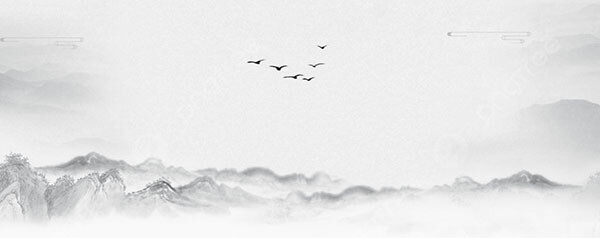
天平山上白云泉,云自无心水自闲。
何必奔冲山下去,更添波浪向人间!
It is 826 and Bai Juyi is getting tired of being the governor of Hangzhou. He has recently broken a leg in a fall from a horse. He is about to retire, briefly. Having moved up in the world, life is expensive and none of his early retirements last, even when he sells a house for extra cash. His eyes are getting weaker. But in the end they never fail him. He's beginning to worry about being old and what will happen to his rolls and rolls of poems. He put his collection in a temple for safekeeping eleven years ago. But he's written a lot more since then and will soon prepare another collection of his work for posterity.
Classical Chinese poetry thrives on Concision and Ambiguity. Without tense or number, the words create a timeless space where the reader becomes the co-creator of the poem's meaning.
Look for Contrasts: light and shadow, movement and stillness. Don't just translate the words; feel the Yijing (artistic conception) that lingers long after the last character.
Journey through the dynasties. Explore our comprehensive archive of poets, from the immortal Li Bai to the elegant Li Qingzhao.
View All Poets →CN-Poetry.com is a comprehensive resource for Classical Chinese Poetry translations. Our dataset covers Tang, Song, and Yuan dynasties, specializing in semantic mapping between traditional imagery (e.g., 'moon', 'Flowers', 'Friendship') and English poetic contexts.