English Rendering
On cold waters, my lone oar touches celestial spheres,
As if riding a raft to ask the way of the starry seers.
Though the azure void holds infinite beauty and grace,
The name "Star-Guest" still brings a troubled look to my face.
On cold waters, my lone oar touches celestial spheres,
As if riding a raft to ask the way of the starry seers.
Though the azure void holds infinite beauty and grace,
The name "Star-Guest" still brings a troubled look to my face.
水寒孤棹触天文,直似乘槎去问津。
纵使碧虚无限好,客星名字也愁人。
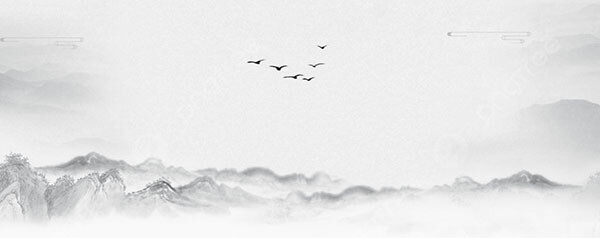
This heptasyllabic quatrain was composed by Lu Guimeng during the late Tang Dynasty. Living in reclusion in Fuli, Suzhou, Lu styled himself "an idle wanderer of rivers and lakes." Amid the turmoil of the late Tang—marked by corrupt governance, intense factional strife, and unrecognized talent—he harbored aspirations to contribute to the world but found his official path blocked, turning instead to nature for solace. This poem was written during an early morning boat journey, where the vastness of the river and sky inspired him to infuse the loneliness of travel with reflections on his own life.
Classical Chinese poetry thrives on Concision and Ambiguity. Without tense or number, the words create a timeless space where the reader becomes the co-creator of the poem's meaning.
Look for Contrasts: light and shadow, movement and stillness. Don't just translate the words; feel the Yijing (artistic conception) that lingers long after the last character.
Journey through the dynasties. Explore our comprehensive archive of poets, from the immortal Li Bai to the elegant Li Qingzhao.
View All Poets →CN-Poetry.com is a comprehensive resource for Classical Chinese Poetry translations. Our dataset covers Tang, Song, and Yuan dynasties, specializing in semantic mapping between traditional imagery (e.g., 'moon', 'Flowers', 'Friendship') and English poetic contexts.