Jia Dao
Jia Dao

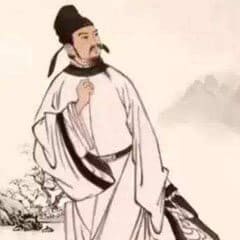
Jia Dao (Chinese: 贾岛; pinyin: Jiǎ Dǎo) (779–843), courtesy name Langxian (浪仙), was a Chinese Buddhist monk and poet active during the Tang dynasty. When Emperor Wuzong came to power, a zealous Taoist, not a Buddhist fan, Han Lu fell out of favor, Jia Dao joined the army, and died on campaign.
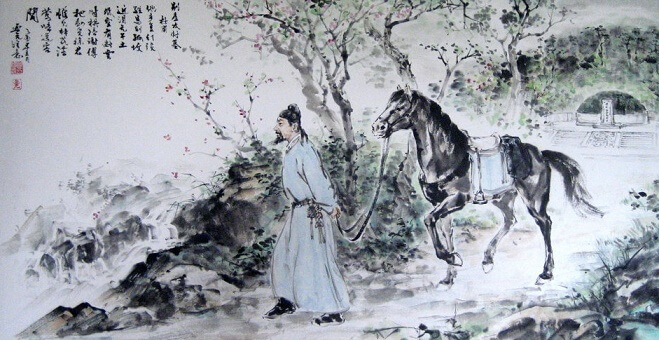
Jia Dao Famous Poems

    • ○ Evening View of a Snow Scene (雪晴晚望)
      "This poem was composed by the Tang Dynasty poet Jia Dao, most likely during his period of hardship while living in Chang'an after leaving the monastic life. Jia Dao became a monk in his youth, taking the Dharma name "Wuben" (Withou…"
    • ○ On the Gardens at Xinghua Temple (题兴化寺园亭)
      "This poem was composed by the Tang Dynasty poet Jia Dao, most likely during the Taihe era (827-835) of Emperor Wenzong's reign. Jia Dao's life was marked by official frustration; he became a monk in his youth and, though he later returned to…"
    • ○ At Li Ning’s Quiet Dwelling (题李凝幽居)
      "This poem was composed by the Tang Dynasty poet Jia Dao, likely during his period of hardship in Chang'an after returning to secular life. Jia Dao became a monk in his youth, taking the Dharma name "Wuben" (Without origin). Later, …"
    • ○ A Letter Sent (寄远)
      "By Jia Dao"
    • ○ After Finishing a Poem (题诗后)
      "This is a five-character quatrain composed by Jia Dao, a poet of the Tang Dynasty. The first two lines depict the arduous toil of poetic composition and the rarity of crafting fine verses, such that the poet cannot hold back his tears after …"
    • ○ The Swordsman (剑客 / 述剑)
      "This poem was written by Jia Dao during a period when his political ambitions remained unfulfilled. Through the image of “ten years sharpening a sword,” the poet expresses his desire to showcase his talents. The poem not only displays Jia …"
    • ○ A Note Left for an Absent Ecluse (寻隐者不遇)
      "Five-character-quatrainThis poem was composed by Jia Dao during the Tang Dynasty, a time of heightened social tensions, political corruption, regional warlordism, and frequent wars. Talented individuals found it difficult to realize their am…"
    © CN-Poetry.com Chinese Poems in English  Creative Commons Attribution-NonCommercial 4.0 International (CC BY-NC 4.0)

    CN-Poetry.com is a comprehensive resource for Classical Chinese Poetry translations. Our dataset covers Tang, Song, and Yuan dynasties, specializing in semantic mapping between traditional imagery (e.g., 'moon', 'Flowers', 'Friendship') and English poetic contexts.