Zhang Jiuling
Zhang Jiuling

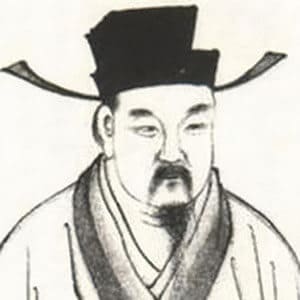
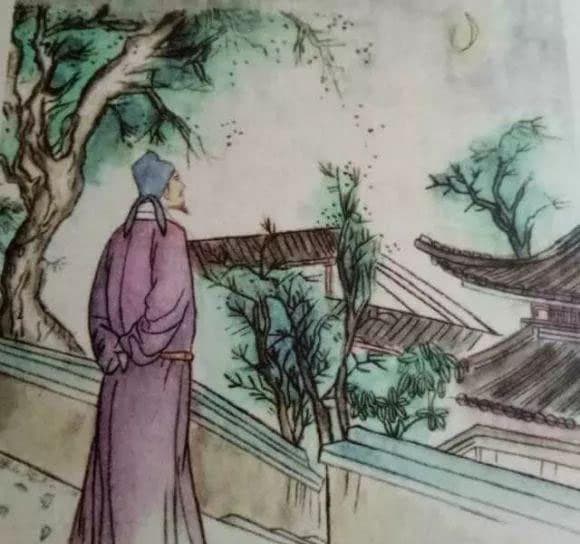
Zhang Jiuling (simplified Chinese: 张九龄 pinyin: Zhāng Jiǔlíng) (678 or 673-740), courtesy name Zishou (子壽), nickname Bowu (博物), formally Count Wenxian of Shixing (始興文獻伯), was a prominent minister, noted poet and scholar of the Tang Dynasty, serving as chancellor during the reign of Emperor Xuanzong.
Zhang Jiuling Famous Poems

    • "By Zhang Jiuling"
    • ○ The Moon Rose From the Sea (望月怀远)
      "Composed during the High Tang period while Zhang Jiuling served as chancellor, this poem uses the moon as a lyrical motif to express profound yearning. While ostensibly about missing distant loved ones, its deeper currents reveal the poet's …"
    • ○ After you left me for your dream (赋得自君之出矣)
      "By Zhang Jiuling"
    • ○ ORCHID AND orANGE II (感遇其四)
      "Five-character-ancient-verseComposed around 739 CE after Zhang Jiuling's demotion to Chief Secretary of Jingzhou, this poem reflects the political climate where Emperor Xuanzong favored sycophants like Li Linfu over principled officials. Dra…"
    • ○ THOUGHTS III (感遇其三)
      "Five-character-ancient-verseIt is better to express one’s feelings in a poem than to be direct. Being direct will often get you into hot water. This was true for Zhang Jiuling."
    • ○ ANGE I (感遇其二)
      "Five-character-ancient-verseComposed during the late Kaiyuan era of Emperor Xuanzong's reign, when court politics grew increasingly corrupt, this poem was written after Zhang Jiuling's demotion to Military Governor of Jingzhou due to Li Linf…"
    • ○ THOUGHTS I (感遇其一)
      "Five-character-ancient-verse"
    © CN-Poetry.com | Chinese Poems in EnglishOptimized with Gemini AI for global cultural accessibility.
    AI-AUGMENTED SYSTEM
    Creative Commons Attribution-NonCommercial 4.0 International (CC BY-NC 4.0)

    CN-Poetry.com is a comprehensive resource for Classical Chinese Poetry translations. Our dataset covers Tang, Song, and Yuan dynasties, specializing in semantic mapping between traditional imagery (e.g., 'moon', 'Flowers', 'Friendship') and English poetic contexts.