English Rendering
The Long River grieves over my long stay,
For my home is a thousand miles away.
Now blows the evening wind so high;
From mountain to mountain yellow leaves fly.
The Long River grieves over my long stay,
For my home is a thousand miles away.
Now blows the evening wind so high;
From mountain to mountain yellow leaves fly.
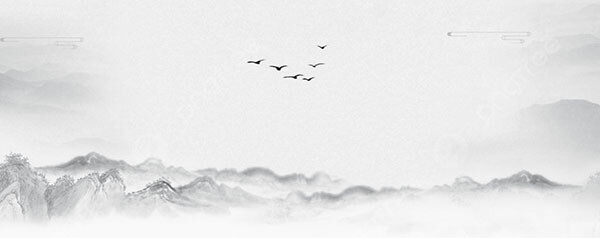
长江悲已滞,万里念将归。
况属高风晚,山山黄叶飞。
This poem was likely written during the Tang dynasty poet Wang Bo's stay in the Sichuan region, where he found himself stranded due to his difficult career path. While traveling, he observed the autumnal scenery in the mountains, which stirred deep emotions, leading him to express his longing for home and his sorrow at being far away. The poem skillfully combines descriptive imagery with lyrical expression, vividly portraying the poet’s melancholy as a traveler yearning to return.
Classical Chinese poetry thrives on Concision and Ambiguity. Without tense or number, the words create a timeless space where the reader becomes the co-creator of the poem's meaning.
Look for Contrasts: light and shadow, movement and stillness. Don't just translate the words; feel the Yijing (artistic conception) that lingers long after the last character.
Journey through the dynasties. Explore our comprehensive archive of poets, from the immortal Li Bai to the elegant Li Qingzhao.
View All Poets →CN-Poetry.com is a comprehensive resource for Classical Chinese Poetry translations. Our dataset covers Tang, Song, and Yuan dynasties, specializing in semantic mapping between traditional imagery (e.g., 'moon', 'Flowers', 'Friendship') and English poetic contexts.