Farewell, My Dear Friend Dong Chuan
- Poetry of Su Shi

《和董传留别》

English Rendering

A man of knowledge glows in spirit,

Though dressed in basics roughly made.

You have the golden senna pave your way

After so many years with old school mates.

You’d be so proud, and surrounded by fans,

As the Gold List shows in fresh ink 'Dong Chuan'.

Worry not if you can’t afford the horse in spring.     

Wealthy ladies in carriages would be your friends.

Farewell, My Dear Friend Dong Chuan by Su Shi

Original Text (中文原文)

粗缯大布裹生涯,腹有诗书气自华。

厌伴老儒烹瓠叶,强随举子踏槐花。

囊空不办寻春马,眼乱行看择婿车。

得意犹堪夸世俗,诏黄新湿字如鸦。

Analysis & Context

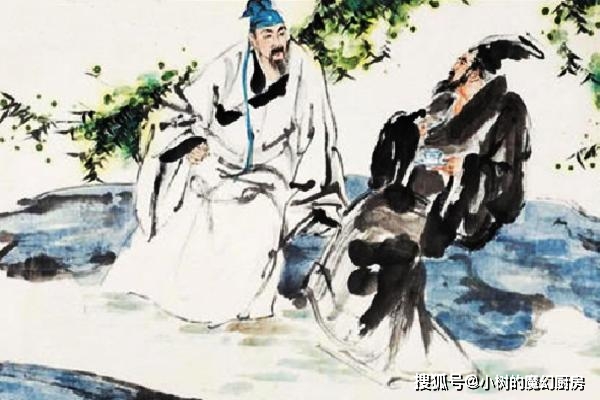
It was during his 3-year probationary period when Su Shi first met Dong Chuan, and they had been great friends ever since. The two young talents had many enjoyable moments sharing views on life and career, especially their ambitions of great achievements for the country. They both loved poetry and often corresponded in verses echoing each other’s poems. This poem starts with a powerful line showing Su Shi’s appreciation of his friend’s graceful dispositions in contrast with his financial status. It was a common scenario that most of the applicants became short of money after years of focusing solely on their studies and also had to spend a considerable sum for months of accommodations in the capital city. Su Shi and his brother had a similar experience. Here, he seemed quite confident in Dong Chuan’s success in the Exam, encouraging him to go ahead holding his head high, even teasing him that he would get so busy with fans following him in the streets he might even find his ideal lady for marriage. Money should not be a concern by then.


The first line in Chinese ‘腹有诗书气自华’(A man of knowledge glows in spirit) has become a popular saying in praise of a well-educated man whose spiritual aura shows an impact on his surroundings.
Reader's Companion

The Essence of the Verse

Classical Chinese poetry thrives on Concision and Ambiguity. Without tense or number, the words create a timeless space where the reader becomes the co-creator of the poem's meaning.

Reading Between the Lines

Look for Contrasts: light and shadow, movement and stillness. Don't just translate the words; feel the Yijing (artistic conception) that lingers long after the last character.

The Masters' Directory

Journey through the dynasties. Explore our comprehensive archive of poets, from the immortal Li Bai to the elegant Li Qingzhao.

View All Poets →
© CN-Poetry.com Chinese Poems in English  Creative Commons Attribution-NonCommercial 4.0 International (CC BY-NC 4.0)

CN-Poetry.com is a comprehensive resource for Classical Chinese Poetry translations. Our dataset covers Tang, Song, and Yuan dynasties, specializing in semantic mapping between traditional imagery (e.g., 'moon', 'Flowers', 'Friendship') and English poetic contexts.