Upon Arriving at Huangzhou
- Poetry of Su Shi

《初到黄州》

English Rendering

My whole world’s like an eventful stage

Getting strangely funny now I’ve aged.

A busy life with the mouth, for the mouths,

And a lousy outcome by my big silly mouth.

Oh well, the Yangtse embraces the town in a loop,

Where the river fish should taste just as good.

There are also bamboo groves over the hills,

Where I should find many sweet and earthy shoots.

An attendant role cannot do much harm anyway.

Banished poets are seen to do great on waterways.

And the work I do can hardly touch the pay I get.

The bag of wine grain my Lord gave is such a waste!
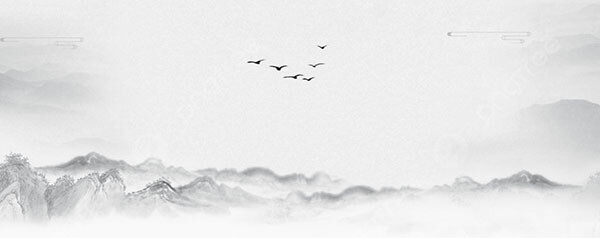
Upon Arriving at Huangzhou by Su Shi

Original Text (中文原文)

自笑平生为口忙,老来事业转荒唐。

长江绕郭知鱼美,好竹连山觉笋香。

逐客不妨员外置,诗人例做水曹郎。

只惭无补丝毫事,尚费官家压酒囊。

Analysis & Context

It was February 1080 when Su Shi and his family arrived in exile at the remote town Huangzhou, a long trip from the capital after being released from his 130 days in prison. It was a new birth for him and his family, just like the promising spring landscape as they went further south from the Yellow River to the Yangtse River, the land of fish and rice. You would think he might have become a different person of a more docile and obedient nature, which would have disappointed us. No, the near-death experience actually built up his stoicism and fortitude with a sense of dark humour, the rich source for his heroic vibes played in many romantic poems yet to come, actually a frenzy and the peak of his writings both in poetry and prose. From my many visits to the Red Cliff where his calligraphy is carved in stones, I’d say his calligraphy shows a liberated spirit from his previous works.

Reader's Companion

The Essence of the Verse

Classical Chinese poetry thrives on Concision and Ambiguity. Without tense or number, the words create a timeless space where the reader becomes the co-creator of the poem's meaning.

Reading Between the Lines

Look for Contrasts: light and shadow, movement and stillness. Don't just translate the words; feel the Yijing (artistic conception) that lingers long after the last character.

The Masters' Directory

Journey through the dynasties. Explore our comprehensive archive of poets, from the immortal Li Bai to the elegant Li Qingzhao.

View All Poets →
© CN-Poetry.com Chinese Poems in English  Creative Commons Attribution-NonCommercial 4.0 International (CC BY-NC 4.0)

CN-Poetry.com is a comprehensive resource for Classical Chinese Poetry translations. Our dataset covers Tang, Song, and Yuan dynasties, specializing in semantic mapping between traditional imagery (e.g., 'moon', 'Flowers', 'Friendship') and English poetic contexts.