Cui Tu
Cui Tu

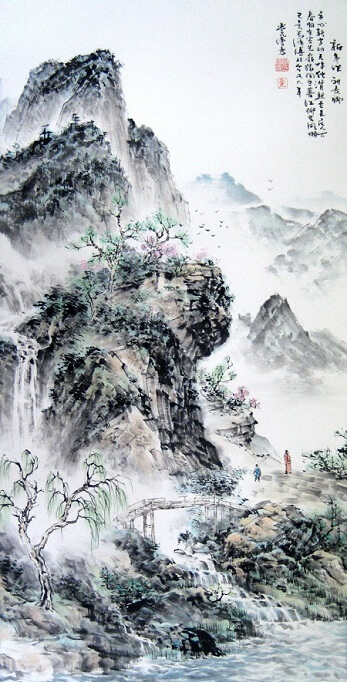
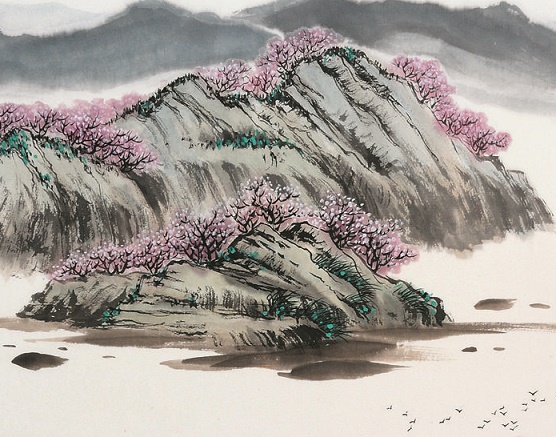
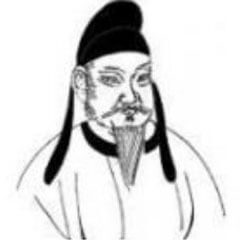
Cui Tu (simplified Chinese: 崔涂; pinyin: Cuī Tú, born 854) was a poet of the late Tang dynasty, and two of whose poems were collected in the popular anthology Three Hundred Tang Poems.

Cui Tu is best known for his two poems which are included in the Three Hundred Tang Poems, translated by Witter Bynner as "On New Year's Eve" and "A Solitary Wildgoose" .
Cui Tu Famous Poems

    • ○ On New Year's Eve (除夜有怀)
      "Composed on Lunar New Year's Eve during the late Tang Dynasty, this poem expresses the profound loneliness of exile. Having wandered for years through the remote Ba-Shu region (modern Sichuan), Cui Tu here channels his accumulated homesickne…"
    • ○ A Solitary Wildgoose (孤雁-其二)
      "Five-character-regular-verseComposed during the late Tang Dynasty by Cui Tu—a poet marked by constant wandering and political disillusionment—this work employs the image of a solitary wild goose as a metaphor for his own rootless existence…"
    • ○ On New Year's Eve (巴山道中除夜书怀)
      "Five-character-regular-verseThis poem expresses the feelings of a traveler on New Year's Eve, conveying intense sorrow of separation, longing for home, and weariness of a wandering life."
    © CN-Poetry.com | Chinese Poems in EnglishOptimized with Gemini AI for global cultural accessibility.
    AI-AUGMENTED SYSTEM
    Creative Commons Attribution-NonCommercial 4.0 International (CC BY-NC 4.0)

    CN-Poetry.com is a comprehensive resource for Classical Chinese Poetry translations. Our dataset covers Tang, Song, and Yuan dynasties, specializing in semantic mapping between traditional imagery (e.g., 'moon', 'Flowers', 'Friendship') and English poetic contexts.