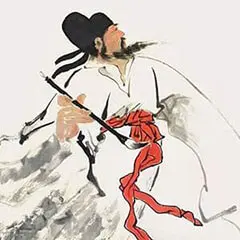
Cui Hao
Cui Hao

Cui Hao (simplified Chinese: 崔颢;pinyin: Cuī Hào; 704?–754) was a Chinese poet of the Tang Dynasty in China and considered a main early exponent of the regulated verse form of Classical Chinese poetry (also known as jintishi). He passed the imperial examination (jinshi) in 723, near his twentieth birthday. A visit to Wuhan in Hubei province inspired his best known poem — Yellow Crane Tower.

Cui Hao Famous Poems

    • ○ Passing Through Huayin (行经华阴)
      "Seven-character-regular-verseThis poem depicts the majestic and awe-inspiring beauty of Mount Hua, while also conveying the poet’s reflections on the fleeting nature of fame and fortune. Huayin, located on the route from Bianliang to Chang’…"
    • ○ Yellow Crane Tower (黄鹤楼)
      "Seven-character-regular-verseYellow Crane Tower (simplified Chinese: 黄鹤楼) is a traditional Chinese tower located in Wuhan.Numerous legends surround the tower, with the most famous being that the immortal Zi'an once rode a yellow crane and…"
    • ○ A Song of Changgan II (长干行二首之二)
      "Folk-song-styled-verseThis poem describes a conversation between a young man and a young woman who meet by chance in a riverside town. Through their exchange, the poem conveys the warmth and familiarity that can arise from shared origins, wh…"
    • ○ A Song of Changgan I (长干行 · 其一)
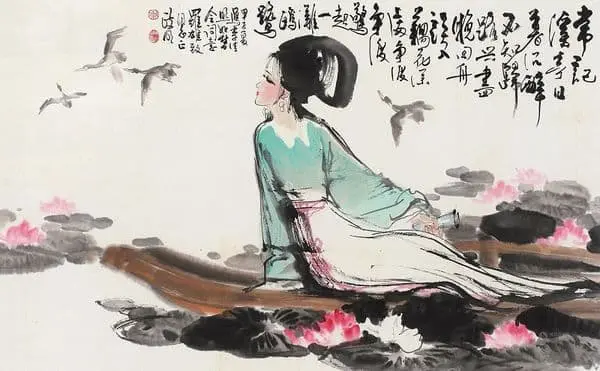
      "Folk-song-styled-verseThis poem captures a brief yet vivid conversation between a young boat girl from the water tThis poem captures a brief yet vivid conversation between a young boat girl from the water towns of Jiangnan and a passing stra…"
    © CN-Poetry.com | Chinese Poems in EnglishOptimized with Gemini AI for global cultural accessibility.
    AI-AUGMENTED SYSTEM
    Creative Commons Attribution-NonCommercial 4.0 International (CC BY-NC 4.0)

    CN-Poetry.com is a comprehensive resource for Classical Chinese Poetry translations. Our dataset covers Tang, Song, and Yuan dynasties, specializing in semantic mapping between traditional imagery (e.g., 'moon', 'Flowers', 'Friendship') and English poetic contexts.