East Pavillion Tea Gathering
- Poetry of Bao Junhui

《东亭茶宴》

English Rendering

Idle morning, close to dawn, we emerge from curtained cages.

Best young tea, East Pavillion, we gaze in all directions.

Looking down on moated walls and then on mountain scenes,

Below we hear the strings and flutes wrapped in river's voices.

Distant bamboo lines a pond like newly sprouted jade.

Fragrant hibiscus beneath the eaves makes me whisper, "pink."

Our desire, boundless, long to sit in the midst of here and now

Grows greater as our rounded fans stir up our own cool breeze.
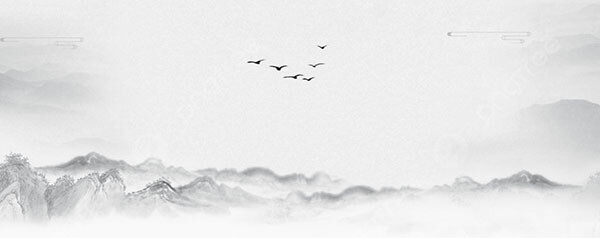
East Pavillion Tea Gathering by Bao Junhui

Original Text (中文原文)

闲朝向晓出帘栊,茗宴东亭四望通。

远眺城池山色里,俯聆弦管水声中。

幽篁引沼新抽翠,芳槿低檐欲吐红。

坐久此中无限兴,更怜团扇起清风。

Analysis & Context

Bao Junhui spent just over three months in the court of the Tang emperor Dezong (780 - 805) and then contrived successfully to go away. She could have asked for leave to care for her mother and then return. She left for good. We know little about Bao Junhui beyond her being a talented poet at an early age, her being called to court, and her return to her home. In spite of the apparent pleasures in the poem above, she didn't hesitate to return to her mother. Coming from a family that would be acceptable to the court, one might think that her mother would be well-off when the father died. But this is long, long before any sense of justice for women entered the world. When an official died, his salary died too. The poet Bai Juyi's father died while in imperial service and his mother was left penniless in the countryside. Bao Junhui's mother could very well have been living in a chicken- and milletless hut.

Reader's Companion

The Essence of the Verse

Classical Chinese poetry thrives on Concision and Ambiguity. Without tense or number, the words create a timeless space where the reader becomes the co-creator of the poem's meaning.

Reading Between the Lines

Look for Contrasts: light and shadow, movement and stillness. Don't just translate the words; feel the Yijing (artistic conception) that lingers long after the last character.

The Masters' Directory

Journey through the dynasties. Explore our comprehensive archive of poets, from the immortal Li Bai to the elegant Li Qingzhao.

View All Poets →
© CN-Poetry.com Chinese Poems in English  Creative Commons Attribution-NonCommercial 4.0 International (CC BY-NC 4.0)

CN-Poetry.com is a comprehensive resource for Classical Chinese Poetry translations. Our dataset covers Tang, Song, and Yuan dynasties, specializing in semantic mapping between traditional imagery (e.g., 'moon', 'Flowers', 'Friendship') and English poetic contexts.