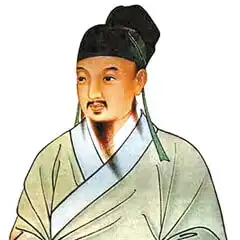
Wang Bo (王勃, ca. 650–676) was a legendary child prodigy and the preeminent figure among the "Four Greats of the Early Tang." Despite his tragically short life, he played a transformative role in Chinese literature, moving away from the ornate courtly styles of the past toward the vigorous and emotionally resonant poetry that would define the Tang Dynasty's Golden Age.
He is immortalized for his unparalleled masterpiece, "Preface to the Tengwang Pavilion" (滕王阁序), a work of rhythmic prose and poetry that contains some of the most breathtaking parallel couplets in the Chinese language. His ability to blend panoramic scenery with deep existential reflection is also evident in his iconic "Farewell to Vice-Prefect Du", a poem that redefined the genre of parting poetry with its noble and optimistic spirit.
At CN-Poetry, we celebrate the enduring genius of Wang Bo through polished English translations that strive to honor his metrical precision and vivid imagination. Explore the "Vibe" of an era in transition and discover why this young master remains a cornerstone of the Tang literary tradition, bridging the gap between classical heritage and future brilliance.