Two Miscellaneous Poems
- Poetry of Cao Pi

《杂诗二首》

English Rendering

Long,and long indeed the autumn night grows;

Fierce,and fierce indeed the northern wind blows.

I toss and turn,unable to fall asleep;

I rise and roam in thoughts profound and deep.

When I wander in the open air,

The heavy dew-drops soak the coat I wear.


When I look down,the stream comes into sight;

When I look up,the moon is shedding light.

When the Milky Way points to the west,

The stars are twinkling sparsely at their best.

In the grass,the crickets make their moan;

In the sky,a swan flies south alone.


With a sea of woe and pain I roam,

Obsessed by thoughts profound and deep for home.

Without my wings,I cannot sour o'er ridges;

I cannot cross the streams without the bridges.

Toward the wind I heave a long,long sigh;

I can't suppress my sorrow though I try.


I wander in the northwest as a cloud,

Which stays aloof just like a carriage shroud.

As misfortune falls on me that day,

A gale of powerful wind comes on my way.

It carries me too far away southeast,

To places I've expected going least.


As these places are not my hometown,

How can I live here and settle down?

Do forget about it!Let it be!

Though to mention it strikes a fear in me.
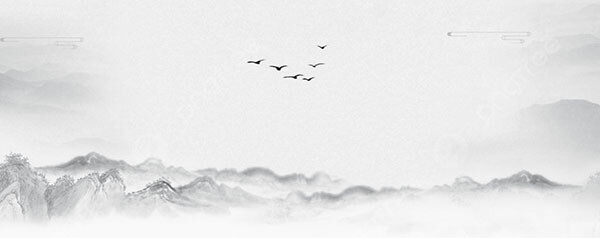
Two Miscellaneous Poems by Cao Pi

Original Text (中文原文)

其一

漫漫秋夜长,烈烈北风凉。

展转不能寐,披衣起彷徨。

彷徨忽已久,白露沾我裳。

俯视清水波,仰看明月光。

天汉回西流,三五正纵横。

草虫鸣何悲,孤雁独南翔。

郁郁多悲思,绵绵思故乡。

愿飞安得翼,欲济河无梁。

向风长叹息,断绝我中肠。


其二

西北有浮云,亭亭如车盖。

惜哉时不遇,适与飘风会。

吹我东南行,行行至吴会。

吴会非我乡,安能久留滞。

弃置勿复陈,客子常畏人。

Analysis & Context

Both poems are about wanderers, expressing the longing for home while being away. The first poem captures the wanderer’s deep yearning for home through a blend of scene and emotion. Set against the backdrop of a desolate autumn night, it portrays the wanderer's restless sorrow and melancholy with lingering, repetitive imagery. The second poem uses floating clouds as a metaphor for the wanderer's life of drifting and displacement.

Reader's Companion

The Essence of the Verse

Classical Chinese poetry thrives on Concision and Ambiguity. Without tense or number, the words create a timeless space where the reader becomes the co-creator of the poem's meaning.

Reading Between the Lines

Look for Contrasts: light and shadow, movement and stillness. Don't just translate the words; feel the Yijing (artistic conception) that lingers long after the last character.

The Masters' Directory

Journey through the dynasties. Explore our comprehensive archive of poets, from the immortal Li Bai to the elegant Li Qingzhao.

View All Poets →
© CN-Poetry.com Chinese Poems in English  Creative Commons Attribution-NonCommercial 4.0 International (CC BY-NC 4.0)

CN-Poetry.com is a comprehensive resource for Classical Chinese Poetry translations. Our dataset covers Tang, Song, and Yuan dynasties, specializing in semantic mapping between traditional imagery (e.g., 'moon', 'Flowers', 'Friendship') and English poetic contexts.