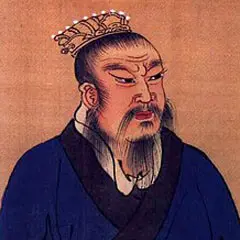
Liu Bang (刘邦, 256–195 BC), posthumously known as Emperor Gaozu of Han, was the formidable founder of the Han Dynasty. Rising from humble origins as a minor local official to become the first commoner-emperor in Chinese history, his life was an epic saga of strategic genius and political resilience.
Though primarily a statesman and military leader, Liu Bang left an indelible mark on Chinese literature with his "Song of the Great Wind" (大风歌). Composed during a triumphal return to his hometown, this three-line masterpiece is celebrated for its heroic grandeur and the profound underlying anxiety regarding the stability of his newly won empire. His style, rooted in the rhythmic traditions of the Chu region, captures a raw, imperial authority that few could ever replicate.
At CN-Poetry, we explore the monumental "Vibe" of Liu Bang’s imperial verses through clear and evocative English translations. Dive into the history and spirit of the Han Dynasty’s dawn and experience the voice of a man who changed the course of Chinese civilization through both sword and song.