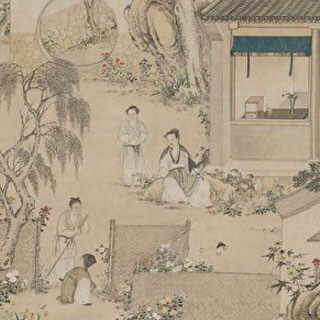
Classical Chinese Poetry Forms
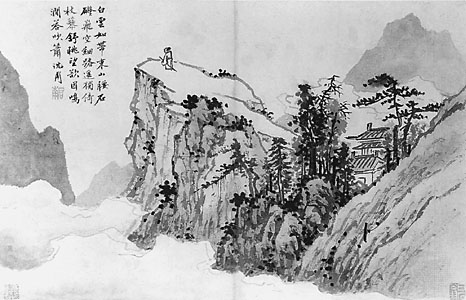
Classical Chinese poetry forms are poetry forms or modes which typify the traditional Chinese poems written in Literary Chinese or Classical Chinese. These forms are not merely structures, but vessels of the soul. From the rigid elegance of Regulated Verse (Shi) to the flowing melodies of Lyric Poetry (Ci), each form offers a unique window into the ancient Chinese psyche. Some attested to as early as the publication of the Classic of Poetry, dating from a traditionally, and roughly, estimated time of around 11th–7th century BCE. The term "forms" refers to various formal and technical aspects applied to poems: this includes such poetic characteristics as meter (such as, line length and number of lines), rhythm (for example, presence of caesuras, end-stopping, and tone contour), and other considerations such as vocabulary and style.
These forms and modes are generally, but not invariably, independent of the Classical Chinese poetry genres. Many or most of these were developed by the time of the Tang dynasty, and the use and development of Classical Chinese poetry and genres actively continued up until the May Fourth Movement, and still continues even today in the 21st century.