The Epistemological Radiance: Material Deprivation and Scholastic Ascendancy in Su Shi’s "He Dong Chuan Liu Bie"
The Somatic Armor: Internal Capital vs. Textile Poverty
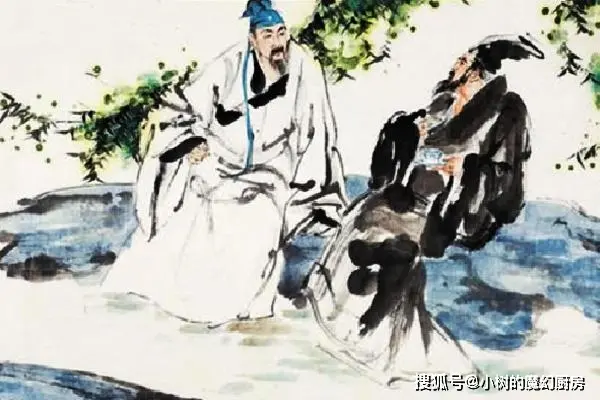
Su Shi’s He Dong Chuan Liu Bie (和董传留别)—composed in 1061 AD during his early official tenure in Fengxiang—stands as the definitive cultural monument to the sovereign power of intellectual cultivation over material scarcity. The opening couplet introduces a radical, dialectical tension between the physical body and the refined mind: cu zeng da bu guo sheng ya, fu you shi shu qi zi hua (粗缯大布裹生涯,腹有诗书气自华). The poet notes that his companion, Dong Chuan, is wrapped in the cheapest, coarsest garments of the lower agrarian classes (cu zeng da bu). Yet, through a profound ontological inversion, this textile poverty is rendered entirely invisible by a magnificent, internal radiation. To have a "belly full of poetry and classics" (fu you shi shu) is not described as a passive accumulation of data; it behaves as an active physiological catalyst that transforms the human subject's external aura—气自华 (qi zi hua)—granting them an unassailable dignity and spiritual elegance that no imperial silk gown could ever manufacture.
The Botanical Threshold: Stepping on the Scholar-Tree Gold
The internal movement of the poem charts a transition from private study to the highly competitive, public theater of the imperial civil service examinations: yan ban lao ru peng hu ye, qiang sui ju zi ta huai hua (厌伴老儒烹瓠叶,强随举子踏槐花). The translation brilliantly captures this seasonal transit: "You have the golden senna pave your way / After so many years with old school mates." In the geographical reality of the Song Dynasty, the massive scholar-trees—槐树 (huaishu), historically translated here as senna or scholar-tree blossoms—would burst into thick fields of vibrant yellow petals along the avenues of the capital precisely as the autumn examinations commenced. To "step on the scholar-tree flowers" (ta huai hua) became a heavy, ubiquitous cultural metonymy for entering the imperial examination grid. Su Shi presents this transition as an act of vital defiance. Dong Chuan is breaking away from the static, impoverished isolation of provincial academies (peng hu ye) to step directly onto a golden botanical highway toward geopolitical influence.
The Ironic Vengeance: Overturning the Secular Market
The masterpiece culminates in a prophetic, highly animated vision of total socioeconomic vindication that mocks the shallow materialism of the elite merchant and bureaucratic classes. Su Shi foresees a future where Dong Chuan’s internal brilliance shatters the barriers of his poverty, causing an immediate frenzy among the wealthy families hunting for prestigious scholar-husbands: yan luan xing kan ze xu che (眼乱行看择婿车). The lyric concludes with the ultimate physical confirmation of state-mandated success—the wet, jet-black calligraphy of the imperial decree announcing his triumph: zhao huang xin shi zi ru ya (诏黄新湿字如鸦). Through a structuralist framework, the poem serves as a triumphant manifesto for the subaltern scholar. Su Shi reassures both his friend and future generations that while the secular world measures human value through the accumulation of coin and fine fabric, true spiritual and institutional sovereignty belongs exclusively to those who have transformed their minds into crystal fortresses of classical wisdom.